Donkeys are known to get a little chunky and by chunky I mean fat deposits externally and internally which are detrimental to their health and wellbeing. Further, keeping your donkey at an ideal weight is of the utmost importance for the prevention of laminitis.
Here is some nutritional information for caring for your donkey:
Feed 1.5-2% of body weight in forage per day.
Generally, once the energy (calorie) requirement has been met, their protein requirement will have also been met. Donkeys also only require about 75% of the calories that a horse of a similar weight would need which is why they are often referred to as “super keepers.”
Donkeys have rather large intestines, which they use to full capacity, and will retain forage longer to digest their intake more thoroughly. Due to their increased capacity and retention, donkeys often have a “hay belly” appearance, or an “A” frame appearance.
1. Feed roughly 75% straw and 25% hay ,except during the winter when you can feed 50/50 straw and hay.
2. Barley straw is ideal, followed by wheat straw and then oat.
3. Vitamin / Mineral supplement or Ration Balancer • Use a low sugar/starch carrier for supplements such as Timothy Pellets or Non-Molasses Beet Pulp. Ration balancing supplements with a 3- to 4-ounce serving size are typically a better choice.
4. Access to water 24/7 despite the belief that they do not need as much water as horses, they DO!
5. Avoid sugary treats.
6. Muzzle. Muzzle. Muzzle. OR Dry Lot. Once your donkey gains weight not only is it difficult to lose, the fat deposits (the fallen crest, lumps) may never go away. It is easier to be proactive than it is to be reactive. Even if the grass looks sparse, due to their “desert” ancestry, any grass is considered “lush.”
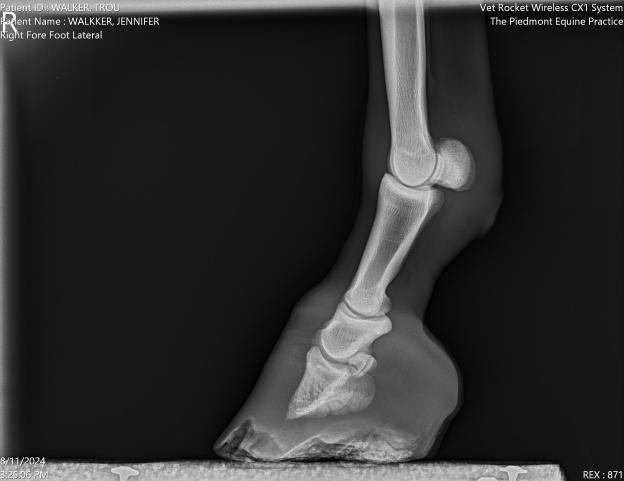
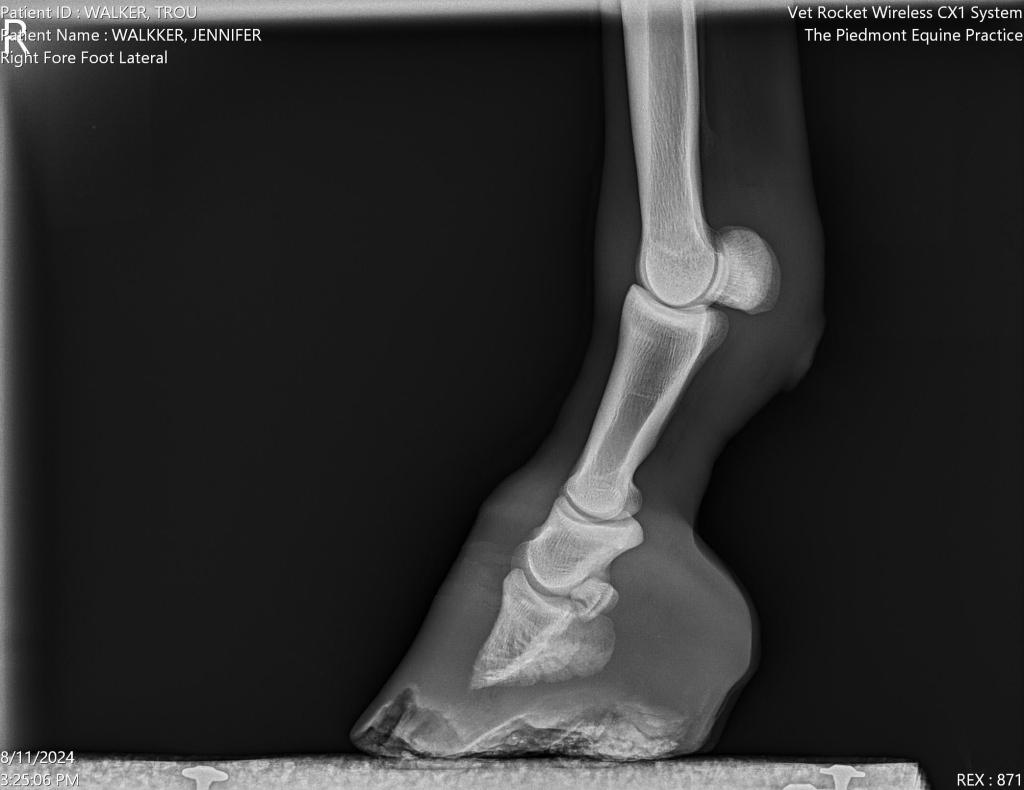
White Line Disease is extremely common in donkeys and can cause major issues if severe or left untreated.
What is White Line Disease or Seedy Toe?:
The white line is seen on the underside of the foot. It is where the unpigmented horn of the inner hoof wall joins the horn of the sole. Degeneration of the horn at the white line leads to separation of the hoof wall from the underlying structures and weakening of the hoof wall.
Risk Factors:
The reason why WLD occurs isn’t fully known, but anaerobic bacteria and fungi alongside poor foot hygiene play an important role in the development of the disease.
Some of the risk factors associated with the development of this condition are;
1. The presence of horn digesting microbes (Pseudoallscheria boydii, Scopulariopsis spp., Aspergillus spp, Fusobacterium necrophorum, penicillium spp.)
2. A wet and humid environment, poor foot hygiene, 3. Pre-existing laminitis resulting in a stretched white line 4. Hereditary factors.
Donkeys seem to be more susceptible to WLD than horses. It can affect any of the four feet and recurrence is common. Generally donkeys with WLD will not be lame, but depending on the severity of the pathology or the presence of other associated diseases, lameness could be present.
Prevention:
Maintaining good foot hygiene and regular foot care will help to prevent the occurrence of WLD. The following are best practice for prevention of this condition:
1. Clean the hooves daily, monitoring the integrity of the white line and the rest of hoof structures.
2. Change bedding frequently, avoiding humidity and accumulation of faeces and urine, especially in wet seasons.
3. Arrange for your farrier to check and trim the feet every six to ten weeks depending on the amount of exercise/wear, the age of the donkey and/or the presence of hoof pathology.
4. Avoid grease or similar products as they reduce horn oxygenation and can create an environment that encourages proliferation of horn digesting microbes.
5. Monitor animals with a history of WLD closely as they will be more susceptible to recurrence.
6. Good, clean hard standing and dry bedding are important for the health of all donkeys’ feet, but for animals with recurrent WLD it is very important.
Treatment Options:
1. Resection: Your farrier or vet will remove all the damaged horn. This procedure should not be painful but it may be necessary to remove a lot of hoof wall if the disease has progressed. In some circumstances it may be necessary to take an x-ray before removing a large amount of hoof wall to check the stability of the pedal bone.
2. Cleaning and Medicine: Once all the damaged horn has been removed, the hoof needs to be kept clean with daily hoof picking and brushing to remove as much organic matter as possible. Once the foot is clean topical disinfectants (eg povidone iodine, hydrogen peroxide or zinc sulfate) in solutions or sprays are useful to reduce microbial contamination.
3. Other Treatments: Removing all the abnormal horn, ensuring good oxygenation to the area and maintaining good foot hygiene may be enough to manage the problem. However, if the amount of wall that has been removed is substantial, your vet or farrier may decide to refill the defect with acrylic material to give more stability to the hoof capsule. In these cases it is vital that all the affected horn is removed to ensure the acrylic material bonds to healthy horn.
Sweet Vera was acting lethargic one evening. She did not show any obvious signs of colic like pawing or distress. However, she was laying down more than typical. Whenever approached she would stand up. The most obvious sign was that when she was offered a treat she was not interested. I took her temperature and it was normal. Gut sounds were present but she looked bloated. I decided to give the vet a call. The vet came and tubed her and gave her some banamine. When Vera was tubed, but due to her small stature, a smaller tube had to be used and not much came out.
The next day she continued to act off. Again, I called the vet and decided to bring her into the hospital. There the vet tubed her at intervals throughout the day and into the next. They gave her fluids via an IV and did a few ultrasounds . Thankfully they were able to get a larger tube in her and the thick, paste like substance started coming out…more and more and more. The interesting part of this was that she does not get grain. There was no sand in the substance that was removed from her belly but my guess is someone gave her treats and due to the extreme heat she was not drinking as much- basically, a perfect storm hit.
Day three she began to perk up, have bowel movements, and even started eating some mash. The next day she was able to return home and has been doing well.
How to Spot Colic in Donkeys?
Dullness
Lying down
Lack of appetite or refusing to eat
Weight shifting, usually between the hind legs
Rolling and pawing at the ground (rare in donkeys, can indicate a serious problem)
Fast breathing, rapid heart rate
Sweating
Brick red or pale gums or insides of eyelids
Dry or tacky gums
Lack of, or reduction in, the normal quantity of droppings
Self-isolating or moving away from companions.
Types of Colic:
Impaction Colic: Impaction occurs when forage, sand, dirt or other material gets lodged in the colon, causing the horse to be unable to pass manure and putting a halt to the whole digestive system. Impaction can also be caused in some cases by enteroliths, naturally occurring mineral deposits that can reach up to 15 pounds in size. Impaction colic tends to occur more in the winter months, due to a lack of hydration.
Gas Colic: Gas colic is a mild, abdominal pain stemming from the result of gas buildup in the horse. This can be caused by a change in diet, low roughage consumption, parasites or administration of wormer.
Sand Colic: Sand colic is caused by the abnormal consumption of large amounts of sand while grazing or eating off dry, sandy ground. Upward of 80 pounds of sand have been found in a colicking horse’s gut. Naturally, sand colic is more common in southern regions where the ground tends to be more mineralized. One way you can help prevent sand colic is to avoid feeding horses from the ground, and instead use a feed pan, bucket or feeder.
Entrapment (or Displacement) Colic: Displacement transpires when the large colon moves to an abnormal location, often occurring at the pelvic flexure, an area where the colon narrows and makes a sharp turn. In some cases, displacement can also lead to entrapment, where something traps the gut and can cut off blood supply.
Enteritis: Abdominal pain can also be caused by enteritis, the general inflammation of the gut. This inflammation is most commonly caused by colonization of the gut by pathogens (bacteria or viruses). Learn more about this in the Importance a Balanced Gut Microbe Ratio in the Gut.
Strangulation (or Gut Torsion or Twisting) Colic: A twist occurring in the gut causes strangulation colic, which often cuts off blood supply and results in dying tissue. This type of colic is very serious and the most likely to be fatal.
Enterolith: Enteroliths are mineral accumulations of magnesium-ammonium-phosphate (struvite) around a foreign object (a piece of metal, pebble, bailing twine, hair, rubber) that form round, triangular, or flat stones inside the bowel usually over the course of multiple years. They form in the large colon of horses where they can remain for some time until they move and cause an obstruction in the large or small colon, resulting in colic.
Idiopathic or Spasmodic Colic: The majority of colic cases are idiopathic. This means the cause is unknown or unable to be determined. This is a wide-ranging term for horses presenting with colic where other abnormalities cannot be found, and, which generally have increased gut movement (and therefore gut noise if you listen over the belly). The colic signs are associated with increased gut spasm due to the increase in motility (a horse equivalent to gut cramps that we may experience after a very spicy curry for example). Rectal examination is within normal limits in these cases and, these horses often respond very favorably to drugs that decrease gut motility (see treatment of colic).
Treatment Options:
Your vet may carry out the following to try to diagnose the type of colic:
Checking your donkey’s heart rate and temperature.
Listening to your donkey’s abdomen with a stethoscope to check the gut sounds
Checking your donkey’s teeth
Taking a blood sample
Performing a rectal examination
Passing a stomach (nasogastric) tube to check for reflux (backed up food or fluid). Your vet will decide on the best treatment based on your donkey’s diagnosis and are likely to give painkillers.
Depending on their findings, your vet may give your donkey fluids via a nasogastric tube or put them on a ‘drip’ (usually via the large vein in their neck). It may take multiple visits from your vet to treat your donkeys colic.
Your donkey may need to be hospitalised if their case is severe. If your donkey is hospitalised, their companion must go too, as hospitalisation can be very stressful for donkeys. Some types of colic need surgery to resolve them, which will require prompt transport to a hospital. Surgery carries a high risk in most colic cases and involves considerable nursing care and cost. Check you are insured for the costs and talk to your vet about the chances of success.
Euthanasia may be the kindest option if your donkey’s case is serious.
Prevention:
Colic is so dangerous because by the time your donkey lets you know it has colic, it may be too late to save it. The old adage, ‘prevention is better than cure’, definitely applies.
Observe your donkey daily, looking for any changes in behaviour. Know what typical dung looks like. Be aware of the average number of piles of droppings your donkeys pass each day and the consistency. Persistently very loose or very dry droppings could be indicative of colic, particularly if other symptoms appear. Check your donkey’s breathing pattern so you will be able to spot any change.
Colic Causes & Prevention:
Feed – sudden changes to diet, poor quality feed, too much grass, feeding cereals:
Make any dietary changes gradually over at least a week, ideally 2-4 weeks
Feed good quality forage and donkey specific proprietary feeds
Avoid moldy feed
Always soak sugar beet to the manufacturer’s recommendations
Feed little and often, especially if your donkey has additional feed
Do not allow your donkey access to too much rich spring grass.
Inadequate or dirty water supply:
Check troughs daily. Self-filling drinkers can become blocked, or the water supply can fail
Clean dirty water containers as donkeys will not drink dirty water
Check water is not frozen or too cold. Many donkeys will not drink very cold water
Offer several sources of water.
Eating non-food items such as plastic bags, rope or bedding:
Ensure your donkeys cannot access non-food items
Change your donkey’s bedding to something less palatable, such as wood shavings
Do not use cardboard or paper bedding.
Eating poisonous plants:
Know your poisonous plants and trees
Remove poisonous plants or fence off the problem area
Check pasture, boundary fences and hedgerows frequently
Fence off trees when fruiting to prevent your donkey gorging.
Sandy soil:
Avoid grazing on sandy soil pasture if possible.
Dental disease – failure to chew food adequately resulting in a blockage of the gut:
Have your donkey’s teeth checked at least annually by a qualified equine dental technician or vet
Dental disease is more common in older donkeys
Suspect dental problems if donkeys are ‘quidding’ (dropping part chewed feed) or drooling saliva
Parasites – worms causing obstruction or inflammation of the gut:
Arrange regular faecal worm egg counts to check if your donkey needs treating for worms
Speak to your vet for advice
Clear droppings from your donkey’s paddock at least twice a week.
Stomach ulcers:
Keep stress to a minimum
Trickle feed your donkey.
Pain – any painful condition can lead to colic, including severe lameness:
Ensure your donkey has adequate pain relief if they have a painful condition.
The most common esophageal conditions in horses is choking and it is always an emergency.
Typically, there is a cause to this condition like eating too quickly, food being too dry or suck together, or even a lack of water. Some horses may choke due to their dental health as well. Further, abnormal esophagus anatomy can also contribute a predisposition to choking, Food may form a firm bolus that becomes lodged in their esophagus. However, other items can also cause an obstruction like hay or straw, hard treats, carrots, and even, nonfood objects.
How to tell if your horse is choking?
The most common symptoms are hyper salivation, food or foam coming out of their nose and mouth
Some horses may become anxious and thrash around
Retching
Not eating
Acting colicky
Coughing
What to do when you suspect your horse is choking?
Immediately remove access to any food or hay.
Call your veterinarian
If you are knowledgable with medication administration, and your horse is extremely agitated, you can administer a non-steroidal anti-inflammatory (NSAID) like Banamine. Make sure to check the horse’s temperature before administering as NSAIDs will mask a fever.
Once the vet arrives they will preform a physical exam. Typically, they will insert a tube down the horse’s throat to flush out any compaction. This may have to be done multiple times.
Your horse maybe required to begin antibiotics depending on the veterinarian’s advise to help treat any aspiration or potential pneumonia.
You may need to keep your horse confined for a few horses (or days) depending on the severity of the choke.
You will need to check their temperature for a few days after choke to ensure that the horse has not developed an upper respiratory infection.
Depending on the cause, the veterinarian may schedule a dental float procedure, or have you wet the horse’s feed and/or hay or switch the feed entirely.
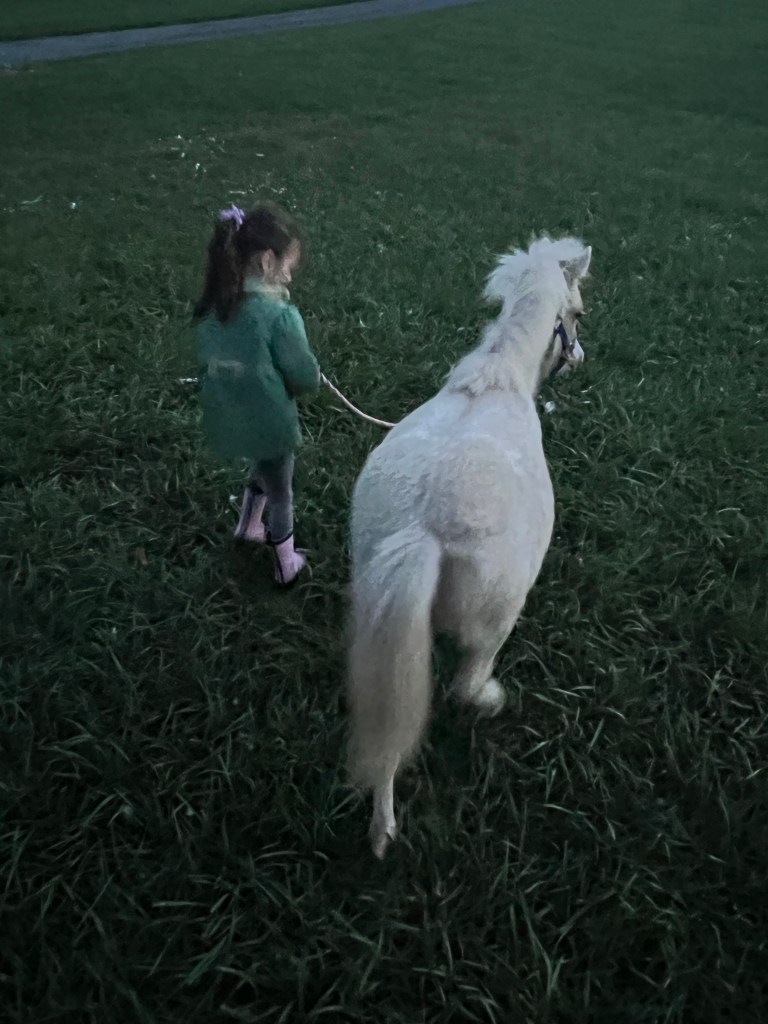
In the evening I take Ottille for a walk and set her free. Her carefree happiness is palpable and her beauty takes my breathe away every time. I still can not fathom how anyone would work this sweet girl until she reached 17 only to send her to a slaughter auction. Welcome to the rest of your life, sweet girl! Like I promised the first day we met, you can trust me to take care of you the rest of your days. ❤️
Tilly came to me from a slaughter auction in Texas after 17-ish years as an Amish workhorse. She was thin (she still is), sick (upper respiratory infection) had cracked hooves, had never had her teeth floated (they made a horrible grinding and clicking sound when she ate), and apparently had never been clipped or bathed or worn a blanket. I do not think she had ever even had a treat (she still won’t take an apple or carrot).
SYMPTOMS:
Rumbling gut
Cow pie stools
Grinding/clicking teeth
Cracked hooves
Dull coat
Underweight
Running nose
PROFESSIONALS:
Farrier for evaluation and trimming
Dentist for power float of teeth
Vet for physical, blood work, and fecal
TESTING/RESULTS:
CBC: all in normal range aside from her creatinine and protein suggesting dehydration. These values normalized after about 1 week)
Fecal: Minimal
FEED:
Triple Crown Senior Feed (Low sugars, low starch, high fat)
Tons of water with Horse Quencher added
Salt block
MEDICATIONS:
Exceed injections (2 total a week apart) then SMZ for 2 weeks
Banamine
Brewer’s Yeast (Stomach)
BioSponge (Gut health and to tackle her loose stools)
I take naming seriously. Maybe too seriously. I feel like a name should mean something, stand for something, and ultimately, it should “fit” the person or animal or farm.
My new 17 year old Belgian Draft mare was rescued from slaughter after being an Amish workhorse for her entire life. She came off the trailer after traveling from Texas to Virginia, skin and bones. She had a dull coat, hip bones high, cracked hooves, a very runny nose, but her eyes were warm. This sweet girl had never had a moment of TLC and was noticeably sick. I walked her to her new temporary quarantine home. She was alert but considerably calm but weary none the less. The vet came out and gave her a physical. Her legs were in good shape as were her feet despite the cracking. She did not have a fever but did have congestion in her chest and her teeth were all sharp points. She had a worn down mark across her nose from what looked to be a harness and her tail had been lopped off, bone and all.
We began an round of Exceed and Banamine and let her rest. She drank gallons of water and as she ate her “draft safe” diet (low sugar, low starch and high fat) I could hear her teeth grinding and knocking against each other; it was painful to watch (and hear). I left for the evening to allow her to settle in. The following day I brought her a fly sheet (bright pink :)). I groomed her and she began to fall asleep. I put ointment on her raw nose, and sprayed her with fly spray. As I went to put on her flysheet, her skepticism was evident. I could tell she had never worn a blanket, or maybe she was skeptical of the color… but she allowed me to put the sheet over her skinny body. As I finished for the evening and said goodbye, she looked at me, straight in my eyes, and I could see that she knew the rest of her days would be carefree.
I took about a week to get to know her and think long and hard about what to call her. I thought about the small details I knew about her past… 17 years as an Amish workhorse. They shipped her off to a slaughter auction after her years of service. She was worn and ragged but still strong and relatively healthy.
I decided on the name Ottilie meaning strength in battle. Numerological, the Soul urge number is 11 which states that people with this number have a deep inner desire to inspire others in a higher cause. The name’s Expressive number is 9 and states that those with this name tend to be compassionate, intuitive and highly sensitive, but also have magnetic personalities and serve humanity. How fitting, her strength during her battle (workhorse to slaughter auction) lead her to me…still strong and able but worn and haggard. The other reason I chose the name Ottilie was due to my late aunt, MaryJane. Maryjane passed in the late 1990’s tragically. She loved animals and was the reason I began my journey with horses as a child. She had a dog named, Tilly, which is the perfect nickname from Ottilie.
So, I introduce, Ottilie “Tillie”, the 17 year old Belgian draft mare who has found her forever home.
While agreeing to save the ponies from slaughter, I saw a beautiful, senior mare. She is a 17 hand, 17-year old, Belgian mare who was an Amish workhorse until put into the auction. She is visibility underweight and her coat is dull and patchy but her eyes bright and soulful. I watched to see if she got rescued as her slaughter date was for 5/7/2020. Well, last night, I took the plunge and purchased the sweet girl.
Ever since losing Chance I have not had a desire to get another horse. Over a year ago a neighbor gave me a thoroughbred mare but shortly after she arrived I realized I was not ready and I had just learned I was pregnant. Fortunately, I was able to find her a wonderful forever home. However, upon coming across this Belgian I knew she was my next heart horse. The thing is I only have one paddocked fenced in that holds three miniature donkeys. So I am quickly getting things in order- scheduled to have another paddock fenced in, a large run-in dropped off, and everyones vaccinations up-to-date. One of my neighbors has a barn and paddocks and no other horses on the property and generously offered to allow my new mare and friend’s two ponies quarantine there for 30 days. By the time quarantine is over, the fence and run-in will be up and ready for the new members of the family!
There is also a ton of research that I need to do about owning a draft horse. They are a special breed and more susceptible to metabolic disorders and a ton of hoof issues. Once again I will be using this platform as a way to organize my ongoing research. Wish me luck!
My friend called me late last night, “Lets save these two miniature ponies from slaughter!” Intrigued, I clicked on the videos and saw these adorable little guys prancing around. Shaggy, needing a bit of weight, and a ton of love. Price was $460.00. Basically, the price for their meat. I reached out to another one of my girlfriends to convinced her to buy one of the three we were looking at- she agreed!
The next morning, I went to the website and one of the three had already been rescued but the other two were still available. I clicked “add to cart” and checked out via PayPal. We were actually buying ponies the same way I purchased paper towels off Amazon. We later contacted the livestock auction to arrange shipping from Texas to Virginia and I have to say, the woman we spoke to was beyond helpful and you could tell she truly cared about these horses. So for now, we are anxiously awaiting their arrival to their forever homes. These horses are priced to sell. Some are put up for sale by individuals who plan to take them back if they are not sold- basically like consignment. Whereas other horses are put up for sale and if they are not sold they are slaughtered. Our two were going to be sent for slaughter if they were not sold. 😦
For more information and to see available horses, donkeys, ponies and mules visit Bowie Auction Horses.









 The Chances We Take