
Tag Archives: thehorse.com
Alfalfa or Grass Hay: Which is better for winter warmth?
When It’s Time
When It’s Time
— Read on horsenetwork.com/2020/06/when-its-time/

Horse First-Aid Kit
Owning A Horse During Covid-19
Passion For Horses Is Not A Learned Behavior – We Are Born With It! –
Passion For Horses Is Not A Learned Behavior – We Are Born With It! –
— Read on horses-world.com/2018/09/01/passion-for-horses-is-not-a-learned-behavior-we-are-born-with-it/
Practical Biosecurity Tips to Protect Your Horses – The Horse
Learn equine biosecurity basics for the farm, horse show, and breeding shed to protect your horses from infectious diseases.
— Read on thehorse.com/features/practical-biosecurity-tips-to-protect-your-horse/
Core Vaccination: Protecting Horses From 5 Deadly Diseases – The Horse
Learn about the diseases veterinarians recommend protecting your horse against and how vaccination could save your horse’s life.
— Read on thehorse.com/features/core-vaccination-protecting-horses-from-5-deadly-diseases/
Core Vaccinations Every Horse Needs
Ask TheHorse Archives – The Horse
— Read on thehorse.com/topics/podcasts/ask-thehorse/
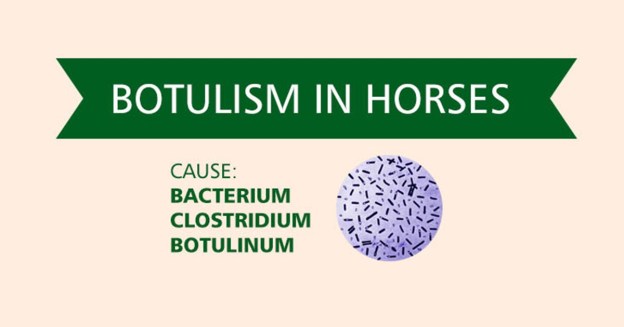
Botulism: It Takes Less to Kill a Horse than a Mouse!
|
|
|

Wobbler Syndrome: Proof At Last!

Cleanliness is Next to Godliness
WHY IS IT IMPORTANT TO KEEP YOUR FEED ROOM CLEAN?
- Making sure that the feed is not expired!
- To ensure that nothing is rotting or moldy: Mold spores cause colic. Colic, well, is not only expensive but deadly.
- To keep wildlife out: Many little critters carry diseases that can seriously impair your horse’s health. Diseases such as EPM is passed through opossum urinating on feed, hay, grass, etc and your horse ingesting it.
- Checking the feed bins: Ensuring that all feed bins are sealed and have no holes or ways for wildlife to crawl inside. This is also important to ensure that the containers are air tight so that mold and other bacteria doesn’t get in or grow.
- Supplements and Medications: Checking the dates on medications and supplements to ensure that they are still safe to administer to your horse.
- Cleaning the feed buckets: This is important to make sure that there is no mold, fungus, bacteria etc growing on the inside of your buckets. It is also important if you have used any of your buckets to give medication or supplements to ensure another horse’s feed isn’t being contaminated.


RESOURCES

Pain in the Neck
My old guy has always had issues with his cervical spine/neck. Throughout the years he has developed arthritis which has caused symptoms which mirror EPM such as; ataxia, difficulty bending, hind end weakness, difficulty going up hills, lethargy, difficulty balancing when foot is lifted, muscle atrophy, sore back…you get the picture.
When his symptoms first came on I had the vet test for EPM. The test was positive. I did my research and found out that about 50% of horses will test positive for EPM but only 1% show actual impairment from the virus. I went ahead and completed two rounds of EPM medication therapy and still his symptoms continued. So, I sought out another vet who practiced eastern and western medicine.
After some chiropractic adjustments and acupuncture she felt that his issues were actually due to the cervical spine and not EPM. The vet also showed me how, when looking at Chance straight on, one of his eyes was lower then the other- a classic sign of cervical and jaw issues. We continued with the chiropractic and acupuncture therapy and have continued for over a year and the change has been remarkable. Along with these therapies, we upped his feed, added supplements, began stretches and different exercises, and had him walking and running up and down hills whenever he was outside. The dentist has also been of great help by floating Chance’s teeth every few months instead of once a year. This helps with the alignment of his teeth because he tends to ware one side of his teeth down more then the other; ultimately straining his jaw and neck.
He has rebuilt the muscle on his hind end, put on around 100 lbs, and is able to do stretches while someone is holding his foot up. He runs when he is outside and is no longer on pain medications (except on the rare occasion).
Here is some useful information on a horse’s back and cervical spine.
Diagnosing A Horse’s Neck Problems
Main Causes of Ataxia in Horses
 The Chances We Take