we break the rules, explore, have hour long grooming sessions, eat hay wherever we want, and snuggle in the stall together!
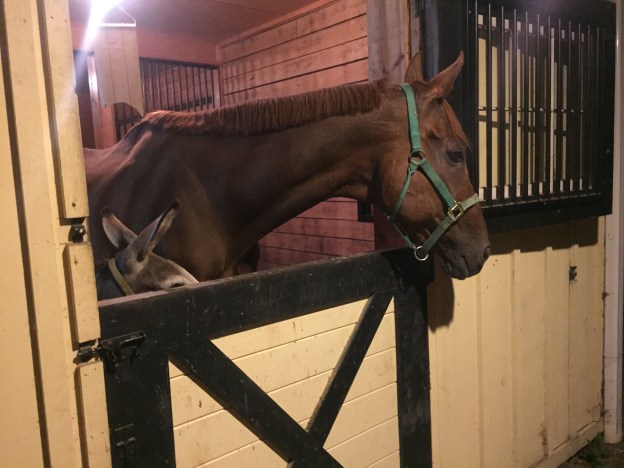

we break the rules, explore, have hour long grooming sessions, eat hay wherever we want, and snuggle in the stall together!

My old guy has always had issues with his cervical spine/neck. Throughout the years he has developed arthritis which has caused symptoms which mirror EPM such as; ataxia, difficulty bending, hind end weakness, difficulty going up hills, lethargy, difficulty balancing when foot is lifted, muscle atrophy, sore back…you get the picture.
When his symptoms first came on I had the vet test for EPM. The test was positive. I did my research and found out that about 50% of horses will test positive for EPM but only 1% show actual impairment from the virus. I went ahead and completed two rounds of EPM medication therapy and still his symptoms continued. So, I sought out another vet who practiced eastern and western medicine.
After some chiropractic adjustments and acupuncture she felt that his issues were actually due to the cervical spine and not EPM. The vet also showed me how, when looking at Chance straight on, one of his eyes was lower then the other- a classic sign of cervical and jaw issues. We continued with the chiropractic and acupuncture therapy and have continued for over a year and the change has been remarkable. Along with these therapies, we upped his feed, added supplements, began stretches and different exercises, and had him walking and running up and down hills whenever he was outside. The dentist has also been of great help by floating Chance’s teeth every few months instead of once a year. This helps with the alignment of his teeth because he tends to ware one side of his teeth down more then the other; ultimately straining his jaw and neck.
He has rebuilt the muscle on his hind end, put on around 100 lbs, and is able to do stretches while someone is holding his foot up. He runs when he is outside and is no longer on pain medications (except on the rare occasion).
Here is some useful information on a horse’s back and cervical spine.
Diagnosing A Horse’s Neck Problems
Main Causes of Ataxia in Horses

Chance was not acting like himself near the end of the snow storm. He seemed lethargic and gloomy…his appetite was good but the light in his eyes was not as strong.
I called the vet and asked her to please come out. She came out that day and ran a CBC along with going some acupuncture and chiropractic adjustments. The vet also gave Chance B12 (or as our previous vet called “the old man shot”).
She contacted me after seeing Chance and informed me that she was diagnosing him with an ulcer and thinks that he may have either slipped on the snow and hurt (bruised) his hip or hurt it while rolling.
I asked about the diagnostics that lead to the ulcer diagnosis. She explained that with horses there are 7 “acupuncture points”. When they are all reactive 85% of the time the horse has a gastric ulcer. She also went on to explain that with the lethargy and the change in patterns due to the snow a gastric ulcer would be plausible. They are apparently common when there are changes in the horse’s routine and fairly easy to cure. She prescribed “Nux” (give 1 teaspoon until gone) and Ranitidine.
I am suppose to let her know if he stops eating or becomes more lethargic. She felt that he was not at risk for colic because he is eating well and on a high quality feed. Fingers crossed.

Resources on Gastric Ulcers and Prescribed Medications

I went to stock up on feed for Chance and Lucky before the snow storm hit…thankfully I had preordered feed in bulk (Tractor Supply is always out).


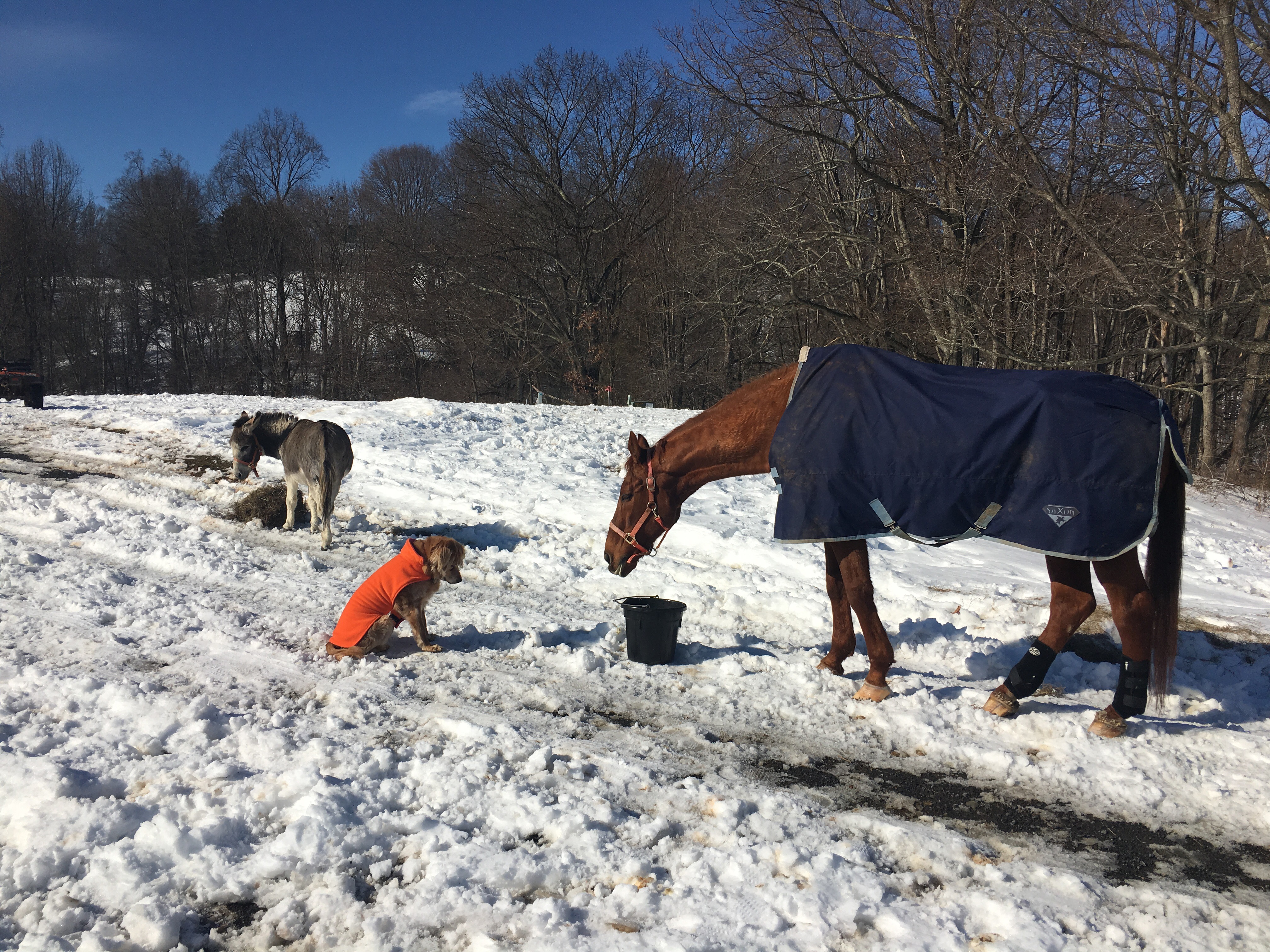 Can I have some?


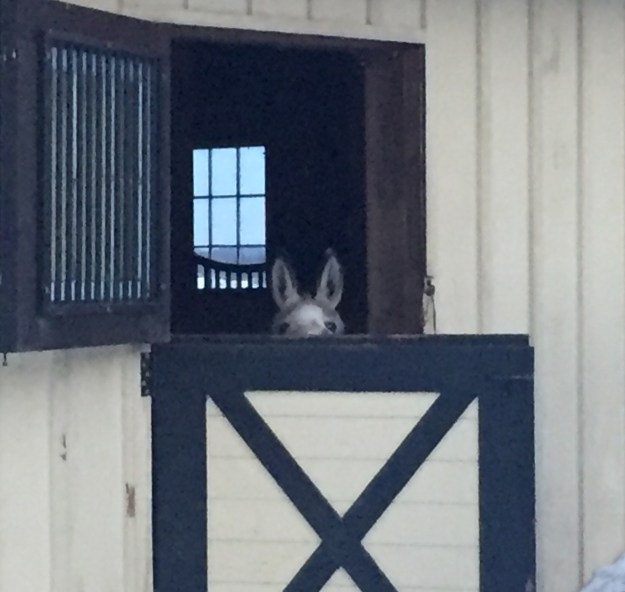
Do I really have to go out there?!
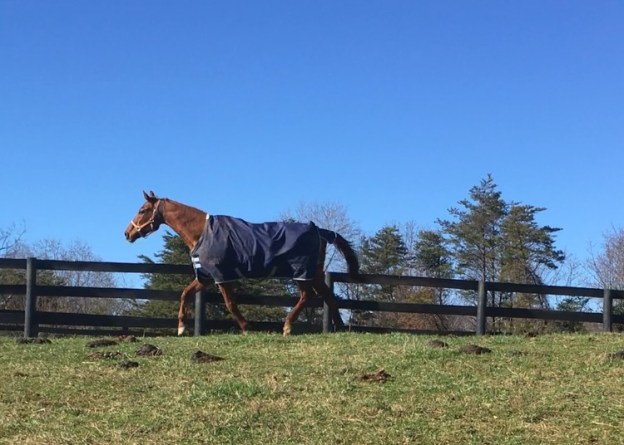


I had the vet run some blood work on Luck and Chance as a precaution, because of the “Panic Grass” in Virginia has been causing liver failure in horses, and because I like to do a full work up every 6-12 months.
Chance’s Blood Work
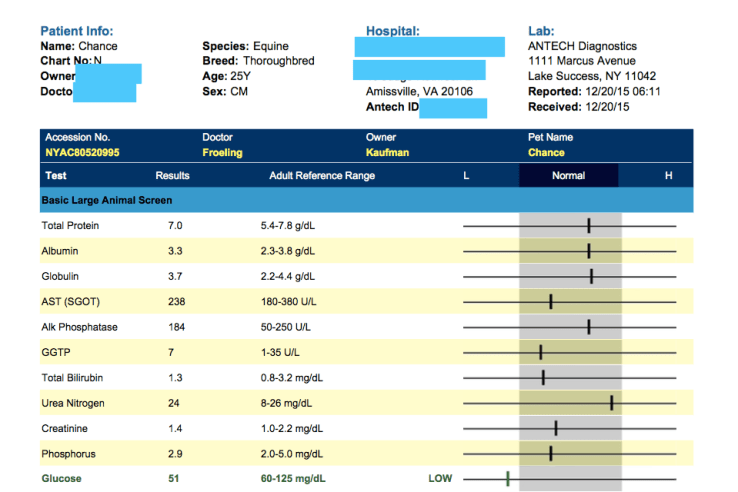
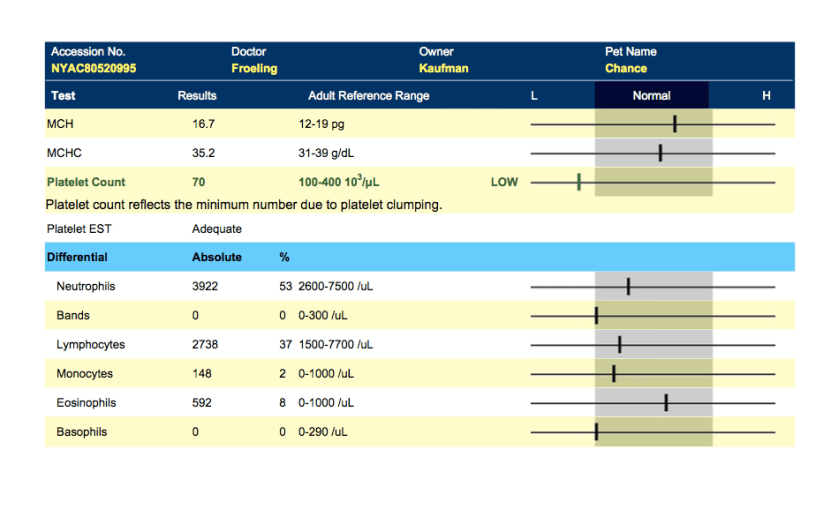
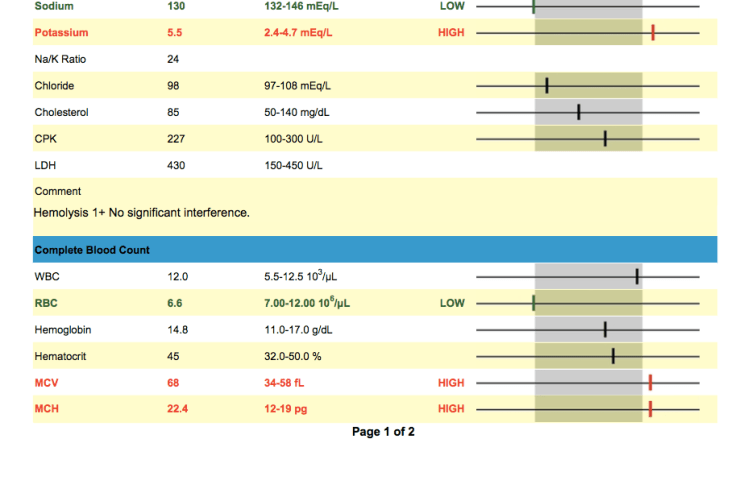
INTERPRETATION OF RESULTS
Elevated Potassium (6.6 mEq/L):
Low Sodium:
“Low levels commonly indicate loss through excessive sweating, or through kidney or intestinal disease. Low levels may also be found in young foals with bladder damage. Increased sodium levels are usually a sign of dehydration” (http://www.minstervets.co.uk).
Low Platelets:
This was the most worrisome in regards to the potential immediate issues that could ensue because of the low platelet count.
Low Glucose:
“Glucose is the source of the body’s energy. It is measured in suspected cases of equine metabolic syndrome and sometimes in cases of equine Cushing’s disease. Blood glucose may also be measured as part of a glucose tolerance test, assessing small intestinal function” (http://www.minstervets.co.uk).
Levels 2-3x the highest number in range are considered significant according to vetstream.com. Levels are easily increased due to poor handling techniques as well as lab error.
According to Dr. Christine Woodford and Carla Baumgartner on vipsvet.com, “Elevations of CPK and SGOT are indictors of muscle inflammation–tying-up or rhabdomyolysis. The term “rhabdo” means muscle and “myolysis” means rupture of muscle cells. The CPK and SGOT are very sensitive indicators of skeletal muscle damage, and they rise in concentration proportionally with the amount of damage. A bit of timing is required in order to obtain the most sensitive results; CPK rises (due to its leakage from muscle cells into the blood system) approximately six to eight hours after the onset of muscle inflammation, and SGOT rises after approximately 12-14 hours. The absolute peak of CPK concentration and the time it takes to return to normal are important indicators of the severity of muscle damage and the response to therapy.”
Elevated MCV: Is the average volume of red blood cells.
According to Vetstream.com, “Macrocytosis (increased MCV) resulting from release of immature RBC from the bone marrow during regeneration is very rare in the horse therefore the MCV is less useful in the horse than in other species.”
Elevated MCH: Is the average amount of hemoglobin in an individual red blood cell.
Low RBC:
Luck’s blood work

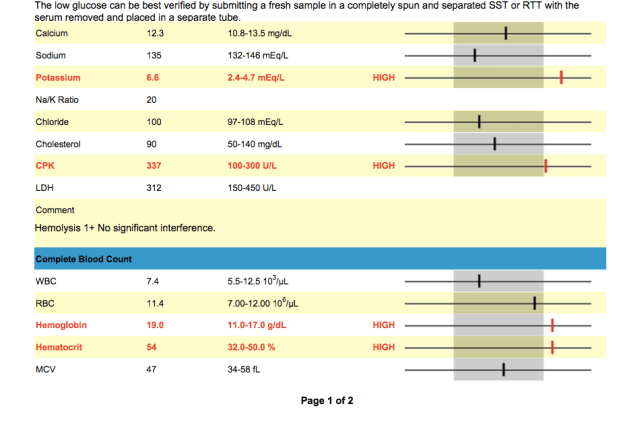
Elevated Potassium: Potassium can become elevated for a number of reasons.
According to Vetstream.com,
In combination with clinical signs and results of other tests results could signify the following;
Elevated GGTP:
* Donkeys tend to have 3x higher levels then horses. This means that in stead of the typical equine range being 1-35 U/L a typically donkey’s range would be up to ~105 U/L. Lucky’s test showed he had 120 U/L which is still elevated but not much. It took sometime to get Luck from the field when the vet arrived- he ran around non stop. The excitement and anxiety could be the cause of the elevated levels.
RBC:
Katherine Wilson, DVM, DACVIM, of the Virginia–Maryland Regional College of Veterinary Medicine (See more at: http://equusmagazine.com/article/decode-horses-bloodwork-27122#sthash.sc4J1ISJ.dpuf) explains “RBC count is probably the least helpful information because horses usually don’t have big changes in red blood cell numbers. It is not uncommon for horses to have an RBC count a little lower than normal range, however. The term we use for low RBC is anemia, but unless the count gets very low, a horse doesn’t necessarily need to be treated for that condition. A lot of diseases or any chronic long-term disease can cause mild anemia. Usually if we see mild anemia on the bloodwork and the horse has other issues, the anemia is just an indication that we need to fix/treat another problem.”
Low or Elevated Values
Low Bilirubin:
Elevated Hemoglobin (19 g/dL):
According to vetstream.com, Thoroughbred and other “hot-blooded” horses Hemoglobin range differs from other equine- the thoroughbred range = 11.0-19.0g/l.
Elevated Hematocrit (54 %):
Elevated levels could be due to;
“A measurement of the relative amount of red blood cells present in a blood
sample. After blood is drawn, a small tube is filled and centrifuged to separate the heavier
blood cells from the lighter white blood cells and the even lighter fluid (plasma or serum)
portion. A higher than normal reading generally indicates dehydration (same number of
cells in less plasma volume) or may be due to splenic contraction secondary to
excitement or the demands of exercise. A low reading may indicate anemia, though not
invariably. Highly fit athletic horses may normally have a slightly lower hematocrit at
rest due to an overall more efficient cardiovascular system. Evaluation of true anemia in
horses requires several blood samples over a 24-hour period” (Susan Garlinghouse, 2000/ http://www.equinedoc.com/PrideProjectInfo.html).
It took sometime to get Luck from the field when the vet arrived- he ran around non stop. The excitement and anxiety could be the cause of the elevated levels.
Low Sodium:
According to horseprerace.com, “Low levels indicate depletion and are often a predisposing factor, along with dehydration, in fatigue, muscle cramps, colic, synchronous diaphragmatic flutter (“thumps”), diarrhea and other symptoms of exhausted horse syndrome. Even seemingly normal or high-normal levels may in reality be lower, but appear higher due to concentration secondary to dehydration as measured by total protein and albumin levels. Therefore, levels at the lower end of the normal range should be evaluated relative to concurrent dehydration.”
More information on your horse’s blood work
Decoding your horse’s blood work
A Better Understanding of the Results
The vet suggested that I add water to Luck’s and C’s feed in case their values are due to dehydration. She also explained that some of the values may be a result of running around in the field right before drawing them along with anxiety.
The anxiety and running around seemed fair but I am hesitant on the dehydration portion. Yes, I know it is winter and that horses are less likely to drink as much water. But if it were due to dehydration then the Albumin would be low as well. But, the blood work revealed that the Albumin was 2.8 (Luck) and 3.2 (Chance). These values are within the normal range…. that being said, the results could also be due to lab handling especially the Potassium levels.
While speaking with my uncle Jerry (the horse whisperer), he suggested adding a salt block to the horse’s feed. This will increase the horse’s thirst which will get them drinking more. I also added heated water buckets so that the water won’t freeze and in case they are less inclined to drink when the water is cold.
In order to feel comfortable about my horse and donkey being healthy, I will have more blood work done this week to make sure everything is in fact okay.

A little over a year ago Chance was diagnosed and treated for a lesion on the Deep Digital Flexor Tendon (DDFT) of his hind fetlock. At the time, I decided to go with Stem Cell injections due to it being the least invasive treatment option. The Stem Cells worked wonders and Chance went from barely being able to walk to running up hills, from daily pain medications to a supplement (DuraLactin) to help with pain and inflammation) for arthritis.
A few months ago I wanted to see how Chance’s fetlock was holding up. He did not have any symptoms- no swelling, lameness, etc- but I wanted to make sure. The ultrasound revealed that he did still have a small lesion on his DDFT that the vet felt was “congenital” and not problematic. But due to his history I wanted to ensure that it stayed non-problematic. I invested in some protective and supportive hind boots for hi to wear when he is outside or stall bound due to weather and decided to do a round (about 5 sessions) of laser treatments on his hind leg. The laser treatments are relatively inexpensive (about $65.00), non-invasive, and pretty much risk free.
We are coming up on our 3rd treatment and due to Chance being asymptomatic it is hard to tell if they are beneficial until we do another ultrasound. Once an ultrasound is completed I will post more.
Article on Stem Cell Treatments: http://www.rossdales.com/news/new-stem-cell-trial-to-treat-deep-digital-flexor-tendon-injury.htm
Articles on Laser Treatments: Research Laser Therapy


I brought Chance in from his turn out this evening and immediately noticed this flap of skin hanging off of his forehead. Another emergency vet visit…yay! Unfortunately, due to the skin flap being to the side and not hanging downward from the top, Chance needed staples…I believe it was 14 staples in the end and two cuts.


Needless to say, the vet did a phenomenal job stapling his poor forehead.


The vet came out to give Chance and Lucky their fall shots and do some follow up acupuncture on Chance. The vet said that Chance has increased flexibility especially in his cervical spine and has gained weight and muscle mass!!!!!!
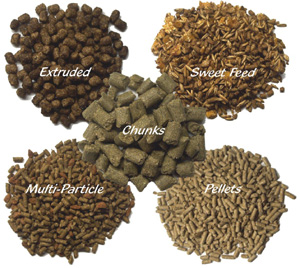
His feeding regiment is as follows:
AM:
PM:
He is out all day when it is cool and all night when it is hot during the day. So he has tons of green grass to eat. He walks constantly- up and down the hills- and runs around with Lucky. We also walk ground poles and do stretches and massage every time I come out to the barn.

We still need to continue upping his weight and muscle mass preferably before winter. Fingers crossed.
 The Chances We Take