Category Archives: Blood work

Miniature Donkey Impaction Colic

Sweet Vera was acting lethargic one evening. She did not show any obvious signs of colic like pawing or distress. However, she was laying down more than typical. Whenever approached she would stand up. The most obvious sign was that when she was offered a treat she was not interested. I took her temperature and it was normal. Gut sounds were present but she looked bloated. I decided to give the vet a call. The vet came and tubed her and gave her some banamine. When Vera was tubed, but due to her small stature, a smaller tube had to be used and not much came out.

The next day she continued to act off. Again, I called the vet and decided to bring her into the hospital. There the vet tubed her at intervals throughout the day and into the next. They gave her fluids via an IV and did a few ultrasounds . Thankfully they were able to get a larger tube in her and the thick, paste like substance started coming out…more and more and more. The interesting part of this was that she does not get grain. There was no sand in the substance that was removed from her belly but my guess is someone gave her treats and due to the extreme heat she was not drinking as much- basically, a perfect storm hit.

Day three she began to perk up, have bowel movements, and even started eating some mash. The next day she was able to return home and has been doing well.

How to Spot Colic in Donkeys?

  1. Dullness
  2. Lying down
  3. Lack of appetite or refusing to eat
  4. Weight shifting, usually between the hind legs
  5. Rolling and pawing at the ground (rare in donkeys, can indicate a serious problem)
  6. Fast breathing, rapid heart rate
  7. Sweating
  8. Brick red or pale gums or insides of eyelids
  9. Dry or tacky gums
  10. Lack of, or reduction in, the normal quantity of droppings
  11. Self-isolating or moving away from companions.

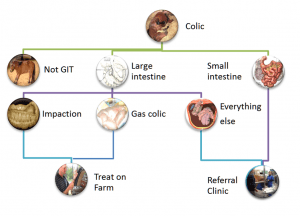
Types of Colic:

Impaction Colic: Impaction occurs when forage, sand, dirt or other material gets lodged in the colon, causing the horse to be unable to pass manure and putting a halt to the whole digestive system. Impaction can also be caused in some cases by enteroliths, naturally occurring mineral deposits that can reach up to 15 pounds in size. Impaction colic tends to occur more in the winter months, due to a lack of hydration.

Gas Colic: Gas colic is a mild, abdominal pain stemming from the result of gas buildup in the horse. This can be caused by a change in diet, low roughage consumption, parasites or administration of wormer.

Sand Colic: Sand colic is caused by the abnormal consumption of large amounts of sand while grazing or eating off dry, sandy ground. Upward of 80 pounds of sand have been found in a colicking horse’s gut. Naturally, sand colic is more common in southern regions where the ground tends to be more mineralized. One way you can help prevent sand colic is to avoid feeding horses from the ground, and instead use a feed pan, bucket or feeder.

Entrapment (or Displacement) Colic: Displacement transpires when the large colon moves to an abnormal location, often occurring at the pelvic flexure, an area where the colon narrows and makes a sharp turn. In some cases, displacement can also lead to entrapment, where something traps the gut and can cut off blood supply.

Enteritis: Abdominal pain can also be caused by enteritis, the general inflammation of the gut. This inflammation is most commonly caused by colonization of the gut by pathogens (bacteria or viruses). Learn more about this in the Importance a Balanced Gut Microbe Ratio in the Gut.

Strangulation (or Gut Torsion or Twisting) Colic: A twist occurring in the gut causes strangulation colic, which often cuts off blood supply and results in dying tissue. This type of colic is very serious and the most likely to be fatal.

Enterolith: Enteroliths are mineral accumulations of magnesium-ammonium-phosphate (struvite) around a foreign object (a piece of metal, pebble, bailing twine, hair, rubber) that form round, triangular, or flat stones inside the bowel usually over the course of multiple years. They form in the large colon of horses where they can remain for some time until they move and cause an obstruction in the large or small colon, resulting in colic.

Idiopathic or Spasmodic Colic: The majority of colic cases are idiopathic. This means the cause is unknown or unable to be determined. This is a wide-ranging term for horses presenting with colic where other abnormalities cannot be found, and, which generally have increased gut movement (and therefore gut noise if you listen over the belly). The colic signs are associated with increased gut spasm due to the increase in motility (a horse equivalent to gut cramps that we may experience after a very spicy curry for example). Rectal examination is within normal limits in these cases and, these horses often respond very favorably to drugs that decrease gut motility (see treatment of colic).


Treatment Options:

Your vet may carry out the following to try to diagnose the type of colic:

  1. Checking your donkey’s heart rate and temperature.
  2. Listening to your donkey’s abdomen with a stethoscope to check the gut sounds
  3. Checking your donkey’s teeth
  4. Taking a blood sample
  5. Performing a rectal examination
  6. Passing a stomach (nasogastric) tube to check for reflux (backed up food or fluid).
    Your vet will decide on the best treatment based on your donkey’s diagnosis and are likely to give painkillers.
  7. Depending on their findings, your vet may give your donkey fluids via a nasogastric tube or put them on a ‘drip’ (usually via the large vein in their neck). It may take multiple visits from your vet to treat your donkeys colic.
  8. Your donkey may need to be hospitalised if their case is severe. If your donkey is hospitalised, their companion must go too, as hospitalisation can be very stressful for donkeys. Some types of colic need surgery to resolve them, which will require prompt transport to a hospital. Surgery carries a high risk in most colic cases and involves considerable nursing care and cost. Check you are insured for the costs and talk to your vet about the chances of success.
  9. Euthanasia may be the kindest option if your donkey’s case is serious.

Prevention:

Colic is so dangerous because by the time your donkey lets you know it has colic, it may be too late to save it. The old adage, ‘prevention is better than cure’, definitely applies.

Observe your donkey daily, looking for any changes in behaviour. Know what typical dung looks like. Be aware of the average number of piles of droppings your donkeys pass each day and the consistency. Persistently very loose or very dry droppings could be indicative of colic, particularly if other symptoms appear. Check your donkey’s breathing pattern so you will be able to spot any change.

Colic Causes & Prevention:

  1. Feed – sudden changes to diet, poor quality feed, too much grass, feeding cereals:
    • Make any dietary changes gradually over at least a week, ideally 2-4 weeks
    • Feed good quality forage and donkey specific proprietary feeds
    • Avoid moldy feed
    • Always soak sugar beet to the manufacturer’s recommendations
    • Feed little and often, especially if your donkey has additional feed
    • Do not allow your donkey access to too much rich spring grass.
  2. Inadequate or dirty water supply:
    • Check troughs daily. Self-filling drinkers can become blocked, or the water supply can fail
    • Clean dirty water containers as donkeys will not drink dirty water
    • Check water is not frozen or too cold. Many donkeys will not drink very cold water
    • Offer several sources of water.
  3. Eating non-food items such as plastic bags, rope or bedding:
    • Ensure your donkeys cannot access non-food items
    • Change your donkey’s bedding to something less palatable, such as wood shavings
    • Do not use cardboard or paper bedding.
  4. Eating poisonous plants:
    • Know your poisonous plants and trees
    • Remove poisonous plants or fence off the problem area
    • Check pasture, boundary fences and hedgerows frequently
    • Fence off trees when fruiting to prevent your donkey gorging.
  5. Sandy soil:
    • Avoid grazing on sandy soil pasture if possible.
  6. Dental disease – failure to chew food adequately resulting in a blockage of the gut:
    • Have your donkey’s teeth checked at least annually by a qualified equine dental technician or vet
    • Dental disease is more common in older donkeys
    • Suspect dental problems if donkeys are ‘quidding’ (dropping part chewed feed) or drooling saliva
  7. Parasites – worms causing obstruction or inflammation of the gut:
    • Arrange regular faecal worm egg counts to check if your donkey needs treating for worms
    • Speak to your vet for advice
    • Clear droppings from your donkey’s paddock at least twice a week.
  8. Stomach ulcers:
    • Keep stress to a minimum
    • Trickle feed your donkey.
  9. Pain – any painful condition can lead to colic, including severe lameness:
    • Ensure your donkey has adequate pain relief if they have a painful condition.

More Information:

https://xlvets-equine.co.uk/sites/xlvets-equine.co.uk/files/XLVets-Equine-Rebranded-115-Donkey-Colic-factsheet_0.pdf

https://vetmed.illinois.edu/pet-health-columns/colic-comes-many-forms/

https://www.myhorseuniversity.com/single-post/2017/09/25/equine-colic-causes-symptoms-treatment-and-prevention

https://extension.psu.edu/colic-what-are-the-signs-and-how-to-manage

The Perfect storm

So, I wish I did not have to start this process again…but unfortunately, I do. Once again I have a senior horse with a variety of acute and chronic conditions that all hit at the same time. Right now I am trying to make her comfortable while also trying to figure out what is what and how to best respond.

Three months ago Tilly was tested for EPM due to muscle wasting and weight loss.The first time she was in the lower end of an active infection. We started a compounded medicine for 1 month and her numbers decreased. We decided to do another round as she responded well to the first round. However, the numbers remained the same. We also tested her for Lyme which showed a chronic and an active infection but the numbers were in the high normal range and the vet felt that it was not treatment worthy at the time.

Last month Tilly began “crab walking” out of the blue. Called the vet. They came out. Her ataxia was bilateral- both her left and right hind- whereas EPM tends to be unilateral. Further, her presentation was not suggestive of Lyme.

We started steroids (dexamethasone oral power) for 5 days with Banamine, tapering as we went, and she seemed to recover. The consensus was it was an acute attack that may have occurred given she is a senior with a history of being an Amish workhorse and perhaps, she pulled something in her neck.

Treatment was complete and another week went by and again, she showed some ataxia. This time less severe. The vet felt that since she responded well to the first round of steroids that it was not EPM-related as you would not see improvement. Further, if it were Lyme related the presentation would be more consistent. Again, a round of Dex and improved quickly. The next week we had her neck x-rayed and there were some arthritic changes. However, she was running around and moving well so the vet felt injections in her neck would not be necessary at that time.

Seventy two hours later, she had some trouble getting up but eventually succeeded. The next morning my sweet girl was spinning, crab walking, and falling over. It was absolutely terrible to see. I immediately gave her 10cc IV Banamine and she calmed down and stopped spinning. The vet came out and administered Dex IV and thought that due to her inflammatory bowel disease we should try Dex IM to ensure absorption. We also decided to pull blood to test for Cushings as she seemed to lose weight overnight and was not shedding out well. The next day she was lame on her right front. Panicked I called the vet fearing that if she did have Cushings, she was trying to founder due to the steroid use. Thankfully, the vet came out, did a nerve block on her right front (this helps to see if the horse has laminitis as they will improve once blocked) and checked for pulses (if a horse has laminitis typically they will have pulses in their hooves) and Tilly did not have any. So, the vet did not feel we were dealing with founder. However, the lameness presented a major challenge due to her still being ataxic on the hind end. The vet did cortisone injections into her neck hoping to help with inflammation due to arthritis. Tilly did great and suddenly, began freaking out. Spinning, knocking into the doors, etc. The vet explained that the injections likely added more pressure on her spinal cord causing her to react. Again, once the vet was able to safely administer Banamine and some Dorm, she calmed and laid down for the first time in over a week for a good 45 minutes. We decided to make sure she was able to get back up. Although she had some trouble, after a couple tries, she was able to do so. Her breathing was heavy, wheezy, almost like she was having a panic attack and hyperventilating. A few minutes later, her breathing returned to normal.

Tilly’s Cushing’s text level was about 100 pg/mL (it should be about 30 pg/mL during mid-November to mid-July) meaning, she does have Cushings. The vet decided to wean her off of the steroid as to not increase the risk of Laminitis even more but also to give neck injections time to work (5-7 days). We also immediately began Prescend (2 tabs) a day to treat her Cushings.

We are on day 5 since the 3rd ataxic episode and day 3 post neck injection and she is still lame on her right front along with ataxic on her hind end. However, she is still eating, engaging, and is bright and alert. She does not seemed distressed or in pain thankfully. Due to Tilly not showing much improvement (even though it can take 5-7 days to see improvements from the neck injections) I decided to start her on a non-compounded EPM medication, Protazil. According to the vet, Protazil should not cause any harm whether her symptoms are EMP related or not. I also began 10cc of Vitamin E oil. Tilly was previously on pelleted Vitamin E but due to her inflammatory bowel disorder, she may struggle to absorb the pelleted form of the supplement. Further, there are a number of studies showing the benefits of Vitamin E and the connection between Vitamin E and ataxia.

On a positive note, since starting Prescend for her Cushings, I have noticed that she is drinking less water. Increased water intake is a symptom of unmanaged Cushings. I am hopeful that means the medication has started to work at regulating her hormones. We are now at a wait and see point. I continue to try to make her comfortable. Tons of bedding in her huge foaling stall, hay everywhere, fans on, doors open. She has been a trooper. My hope is that she recovers from this and enjoy whatever time she has left and fights this as she has so many other things- the reason she was given the name, Ottilie.


RESOURCES

https://www.horseillustrated.com/horse-health-equine-cushings-disease-24321

https://www.horseillustrated.com/horse-experts-horse-vet-advice-cushings-disease-diet

https://cvm.msu.edu/vdl/laboratory-sections/endocrinology/equine-endocrine-testing

https://www.horseillustrated.com/horse-experts-horse-vet-advice-cushings-horse-treats

https://resources.integricare.ca/blog/cushings-disease-in-horses

https://equine-vets.com/health/l/laminitis-is-one-of-the-most-common-causes-of-lameness-in-horses-and-ponies/

Understanding Equine Cushings

www.southernequineservice.com/doctors-say/2020/1/6/understanding-equine-cushings

Does Your Horse Need Electrolytes?

By. Casie Bazay

It’s summer, aka the sweatiest time of the year. Hooray!

And while sure, there are things to enjoy (like swimming, ice cubes, and air conditioning), outdoor activities such as barn chores and riding often leave us reaching for a Gatorade. But what about our horses? Do they need the equine equivalent of a sports drink full of electrolytes too?

First off, let’s discuss what electrolytes are exactly and a little bit about how they function in the body. Electrolytes are minerals that help to regulate many bodily processes. The main ones include Sodium (Na), Chloride (Cl), Potassium (K), Magnesium (Mg), and Calcium (Ca).

In solid form, electrolytes bond into salts (such as sodium chloride) but when dissolved in water, they break down into individual ions, which carry a positive or negative charge. These charges allow them to conduct electricity and assist in electrochemical processes such as regulating heartbeat and muscle contraction.

But wait, electrolytes do more! They also aid in moving fluids in and out of cells and help the body to absorb nutrients. Without electrolytes, the water your horse drinks cannot be properly retained or utilized by the body.

In short, electrolytes are super important.

Like us, horses lose electrolytes through sweat, urine, and feces. Most of these minerals are replaced when your horse consumes grass, hay, and/or feed, with the exception being sodium and chloride, which should always be supplemented with either a salt block or loose salt.

So let’s get back to the question at hand: do horses need added electrolytes in the summer?

The answer depends on how much they’re sweating. If your horse sweats for a prolonged period of time, either because of high temperatures and/or humidity, intense exercise, or all of the above, electrolyte losses can be high and therefore will need to be supplemented.

This goes for endurance horses and those competing in three-day eventing or possibly long-distance trail riding. Electrolyte supplementation is also a good idea if a horse is being shipped long distance in hot weather and for those with Cushing’s disease who may sweat more just standing in the pasture.

How to feed electrolytes

Electrolytes can generally be supplemented in feed, added to water, or in paste or gel form. After a period of prolonged sweating, it’s recommended that electrolytes be provided for several days to make up for losses. You can even give electrolytes to your horse before a big event if you know he’s likely to be sweating a great deal. Continue to give electrolytes during the event as well.

When looking for an electrolyte supplement, make sure that sodium chloride is first on the list of ingredients, followed by potassium chloride. Many electrolytes are sugar-based and while horses may prefer them, they aren’t as effective.

With that said, it’s not a good idea to over-supplement with electrolytes, especially if your horse isn’t sweating much as they may irritate the digestive tract or even throw your horse’s mineral balance out of whack.

Many horses won’t need electrolytes at all in summer, but if your horse does, remember to supplement wisely! 

What a Difference 3 Weeks Can Make

Tilly came to me from a slaughter auction in Texas after 17-ish years as an Amish workhorse.  She was thin (she still is), sick (upper respiratory infection) had cracked hooves, had never had her teeth floated (they made a horrible grinding and clicking sound when she ate), and apparently had never been clipped or bathed or worn a blanket.  I do not think she had ever even had a treat (she still won’t take an apple or carrot).  

SYMPTOMS:

  • Rumbling gut
  • Cow pie stools
  • Grinding/clicking teeth
  • Cracked hooves
  • Dull coat
  • Underweight
  • Running nose

PROFESSIONALS:

  • Farrier for evaluation and trimming
  • Dentist for power float of teeth
  • Vet for physical, blood work, and fecal

TESTING/RESULTS:

  • CBC: all in normal range aside from her creatinine and protein suggesting dehydration. These values normalized after about 1 week)
  • Fecal: Minimal

FEED:

  • Triple Crown Senior Feed (Low sugars, low starch, high fat)
  • Tons of water with Horse Quencher added
  • Salt block

MEDICATIONS:

  • Exceed injections (2 total a week apart) then SMZ for 2 weeks
  • Banamine
  • Brewer’s Yeast (Stomach)
  • BioSponge (Gut health and to tackle her loose stools)
  • Electrolytes (To help with dehydration)
  • Strongid wormer 


Top to bottom:

Tilly on her way from Texas

Tilly when she first arrived in Virginia

Her feet upon arrival

Getting her teeth and feet done

Tilly after being clipped and bathed!

Resources for Chronic Loose Stools in Horses


BEST Guide to all Things Colitis, Diarrhea, and Intestinal Health

Age-Defying Equines

Diarrhea and Fecal Water Syndrome in Horses

What Comes Out, What Goes In

Practical Biosecurity Tips to Protect Your Horses – The Horse

Learn equine biosecurity basics for the farm, horse show, and breeding shed to protect your horses from infectious diseases.
— Read on thehorse.com/features/practical-biosecurity-tips-to-protect-your-horse/

Fat Little Donkey

I have been desperately trying to get my miniature donkey, Lucky, to drop some lbs.  The thing with Lucky- he literally gained weight overnight.  One day he was a skinny mini and the next he had a potbelly.  I was really concerned that the weight suddenly appeared and had the vet run a heptic panel to ensure he wasn’t experiencing some sort of liver dysfunction.  Sort of like how humans can develop Ascites when they have liver related disease.  Anyways, his blood work came back and all was okay….he was just fat!  

Unlike horses, donkeys develop “fat deposits” around their neck, abdomen, and butt and even once the weight has been lost the deposits stay for life!  


The Dangers of Obesity in Donkeys


According to the Scarsdale Vets;

“Obesity increases the risk of developing hyperlipaemia and laminitis, both of which can be fatal. Prevention of obesity is better than cure, because rapid loss of condition in overweight donkeys can trigger hyperlipaemia.

Hyperlipaemia is a condition in which triglycerides (fats) are released into the circulation which can result in organ failure and death unless treated rapidly. The early signs of dullness and reduced appetite can be difficult to detect. Hyperlipaemia can be triggered by anything that causes a reduction in food intake e.g. stress, transport, dental disease.


Laminitis is a condition in which there is inflammation in the laminae of the foot that connect the pedal bone to the hoof wall. This can progress to rotation or sinking of the pedal bone within the foot. The cause is not fully understood and many factors are involved but obese animals are more prone to develop the disease.”

Equine Metabolic Syndrome: “Overweight donkeys often develop a fat, crest neck and fat pads around their tail base. When this occurs the donkey can develop a metabolic disease known as ‘Equine Metabolic Syndrome’. This causes insulin resistance and increased levels of blood glucose (blood sugar) in the blood stream. In equids this can lead to recurrent episodes of laminitis or founder. This disease involves inflammation of the white lining or laminar junctions of the feet, extreme foot pain and difficulty walking. In severe cases this can also cause changes in the bone of the foot and hoof wall” (Yarra Ranges Animal Clinic)


How To Help Your Donkey Lose Weight Safely


  1. Use a muzzle
  2. Limit grazing
  3. Ask your vet to do blood work to ensure your donkey is healthy
  4. Have the dentist come out and examine the donkey’s teeth
  5. Engage in an exercise routine


Donkey Related Resources and Information


donkeyscoring

DonkeyBCS3posterDonkey Body Scoring by Dr_ Judy Marteniuk

Donkey BCScoring

A Guide to Weight Management and Body Score

Care of the Miniature Donkey

Donkey Health and Welfare

Feed_Donkey_Flyer

Misunderstood, Misused, & Misdiagnosed Disease #2: Lyme Disease

I hope you enjoyed reading about Misunderstood, Misused, & Misdiagnosed Disease #1: EPM.  In that post I explained how some horse enthusiasts (trainers, owners, etc) have used this disease to e…

Source: Misunderstood, Misused, & Misdiagnosed Disease #2: Lyme Disease

Immune Booster Leads to Infection?

For the past 6 weeks, my horse has been receiving Ozonetherapy to aid in his chronic back leg related issues- dermatitis (“scratches”), previous DDFT tendon laceration, a history of Lymphingitis, and the residual scar tissue from his DDFT injury.  Due to his age (27), he lacks proper circulation in his hind end which does not help him fight his pastern dermatitis.  


According to the American Academy of Ozonetherapy, Ozonetherapy is described as;

“Ozonotherapy is the use of medical grade ozone, a highly reactive form of pure oxygen, to create a curative response in the body. The body has the potential to renew and regenerate itself. When it becomes sick it is because this potential has been blocked. The reactive properties of ozone stimulate the body to remove many of these impediments thus allowing the body to do what it does best – heal itself.”

“Ozonotherapy has been and continues to be used in European clinics and hospitals for over fifty years. It was even used here in the United States in a limited capacity in the early part of the 20th century. There are professional medical ozonotherapy societies in over ten countries worldwide. Recently, the International Scientific Committee on Ozonotherapy (ISCO3) was formed to help establish standardized scientific principles for ozonotherapy. The president of the AAO, Frank Shallenberger, MD is a founding member of the ISCO3.”

“Ozonotherapy was introduced into the United States in the early 80’s, and has been increasingly used in recent decades. It has been found useful in various diseases;

  • It activates the immune system in infectious diseases.
  • It improves the cellular utilization of oxygen that reduces ischemia in cardiovascular diseases, and in many of the infirmities of aging.
  • It causes the release of growth factors that stimulate damaged joints and degenerative discs to regenerate.
  • It can dramatically reduce or even eliminate many cases of chronic pain through its action on pain receptors.
  • Published papers have demonstrated its healing effects on interstitial cystitis, chronic hepatitis, herpes infections, dental infections, diabetes, and macular degeneration.”


After doing research and speaking to one of my good friends, we determined that Chance’s flare up of Lymphingitis, after almost 3 years of not a single issue, could possibly be caused by his immune system’s response to Ozonetherapy.  Let me explain.

Chance suffers from persistent Pastern dermatitis (“scratches”) since I purchased him in 2000.  I have tried everything- antibiotics, every cream and ointment and spray for scratches, diaper rash ointment, iodine and vaseline mix, Swat, laser treatments, scrubs and shampoos, shaving the area, wrapping the area, light therapy…you name it, I have tried it.  So, when we began Ozonetherapy to help break down the left over scar tissue from his old DDFT injury, I noticed that his scratches were drying up and falling off.  We continued administering the Ozonetherapy once a week for about 6 weeks.  The improvement was dramatic!  

However, one day Chance woke up with severe swelling in his left hind leg and obviously, he had difficulty walking.  He received Prevacox and was stall bound for 24 hours.  The vet was called and she arranged to come out the following day.  The next morning, Chance’s left leg was still huge and he was having trouble putting weight on it.  I did the typical leg treatments- icing, wrapping.  The swelling remained.  I tried to get him out of his stall to cold hose his leg and give him a bath but he would not budge.  He was sweaty and breathing heavily and intermittently shivering.  So, I gave him an alcohol and water sponge bath and continued to ice his back legs.   I sat with him for 4 hours waiting for the vet to arrive.  He had a fever and wasn’t interested in eating and his gut sounds were not as audible.  He was drinking, going to the bathroom, and engaging with me.  I debated giving him Banamine but did not want it to mask anything when the vet did arrive.  

The vet arrived, gave him a shot of Banamine and an antihistamine and confirmed that Chance had a fever of 102 degrees and had Lymphingitis.  There was no visible abrasion, puncture, or lump… I asked the vet to do x-rays to ensure that he did not have a break in his leg.  The x-rays confirmed that there was no break.  The vet suggested a regiment of antibiotics, steroids (I really am against using steroids due to the short-term and long-term side effects but in this case, I would try anything to make sure he was comfortable) , prevacox, and a antacid to protect Chance from stomach related issues from the medications.  It was also advised to continue to cold hose or ice and keep his legs wrapped and Chance stall bound.  

The following day, Chance’s legs were still swollen but his fever had broken.  The vet called to say that the CBC had come back and that his WBC was about 14,00o. She suggested that we stop the steroids and do the antibiotic 2x a day and add in Banamine. I asked her if she could order Baytril (a strong antibiotic that Chance has responded well to in the past) just in case.  And that is what we did.  

Being as Chance had such a strong reaction to whatever it was, I did some thinking, discussing, and researching…first and foremost, why did Chance have such an extreme flare up of Lymphingitis when he was the healthiest he has ever been?  And especially since he had not had a flare up in 3+ years…plus, his scratches were getting better not worse.  The Ozonetherapy boosted his immune system and should provide him with a stronger defense against bacteria, virus’, etc.  So why exactly was he having a flare up?  And that is when it hit me!

In the past when Chance began his regiment of Transfer Factor (an all natural immune booster), he broke out in hives.  The vet had come out and she felt it was due to the Transfer Factor causing his immune system to become “too strong” and so it began fighting without there being anything to fight, thus the hives.  My theory- Chance started the Ozonetherapy and his body began to fight off the scratches by boosting his immune system.  As the treatments continued, his immune system began to attack the scratches tenfold.  This resulted in his Lymphatic system to respond, his WBC to increase, and his body temperature to spike.  Makes sense…but what can I do to ensure this is not going to happen again?  

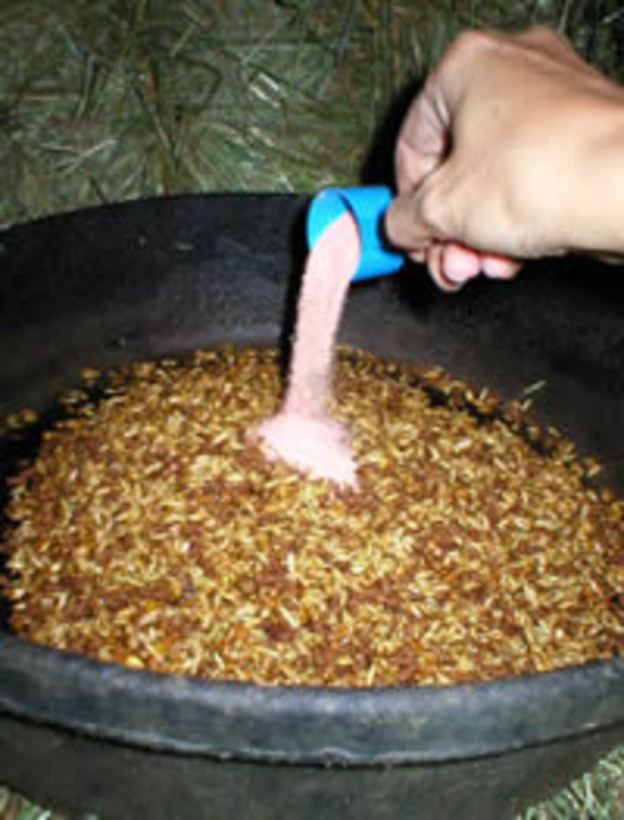
My friend suggested attacking the antibiotic resistant bacteria by out smarting them…okay, that seems simple enough…we researched the optimal enviroments for the 3 types of bacteria present where Chance’s scratches are (shown in the results of a past skin scape test).  The bacteria – E. Coli, pseudomonas aeruginosa and providencia Rettgeri. The literature stated that PA was commonly found in individuals with diabetes…diabetes…SUGAR!  How much sugar was in Chance’s feed?  I looked and Nutrina Safe Choice Senior feed is low in sugar…so that is not it.  What else can we find out?  The optimal temperature for all three bacteria is around 37 degrees celsius (or 98.6 degrees fahrenheit), with a pH of 7.0, and a wet environment. Okay, so, a pH of 7.0 is a neutral.  Which means if the external enviroment (the hind legs)pH is thrown off, either to an acidic or alkaline pH, the bacteria will not have the optimal enviroment to continue growing and multiplying.  How can I change the pH?  

Vinegar!  An antimicrobial and a 5% acetic acid! And…vinegar is shown to help kill mycobacteria such as drug-resistant tuberculosis and an effective way to clean produce; it is considered the fastest, safest, and more effective than the use of antibacterial soap.  Legend even says that in France during the Black Plague, four thieves were able to rob the homes of those sick with the plague and not become infected.  They were said to have purchased a potion made of garlic soaked in vinegar which protected them.  Variants of the recipe, now called “Four Thieves Vinegar” has continued to be passed down and used for hundreds of years (Hunter, R., 1894).

I went to the store, purchased distilled vinegar and a spray bottle and headed to the farm.  I cleaned his scratches and sprayed the infected areas with vinegar.  I am excited to see whether our hypothesis is correct or not…I will keep you posted!


References & Information


Effect of pH on Drug Resistent Bacteriaijs-43-1-174

NIH: Drug Resistant Bacteria

Vinegar

Lymphatic Conditions

Horses Side Vet Guide

What does my horse’s CBC mean?

th

Nutrena SC Senior feed ingredience
The American Academy of Ozonetherapy

Hunter, Robert (1894). The Encyclopaedic Dictionary. Toronto: T.J. Ford. ISBN 0-665-85186-3.


I Loathe Ticks! 

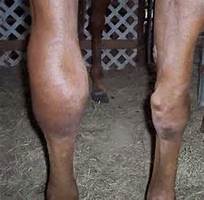
Your horse comes in from being outside and is barely able to move.  His legs are swollen, he has a fever, is sensitive to the touch, and has a loss of appetite.  He has chills- intermittently shaking.  He wont touch his hay, his eyes are dull, and he looks depressed and tired.  You call the vet and they run hundreds of dollars worth of tests- CBC, x-ray his legs to ensure there is no fracture; they diagnose him with Lymphingitis.  You begin a course of antibiotics.  You cold hose.  You give him Banamine.  Your wrap his legs while he is on stall rest. A week later, the swelling has subsided, his fever has dissipated, and his appetite is back.

You get a text saying that your horse “ran away” when he had been let out earlier that day.  But when you get to the barn, you notice when he turns he looks like his hind end is falling out from under him..remember when you were little and someone would kick into the back of your knees and your legs would buckle?  That is what it looks like.  So you watch him.  You are holding your breath, hoping he is just weak from stall rest.  You decide, based on the vet’s recommendation, to let him stay outside for the evening.  You take extra measures- leaving his stall open, with the light on, wrapping his legs, etc- and go home.  Every time your mind goes to “what if..”, you reassure yourself that your horse is going to be okay and that you’re following the vet’s advice and after all, your horse had been running around earlier that day.

The next morning your horse comes inside and it takes him an hour to walk from the paddock to his stall.  All four legs are swollen.  He has a fever (101.5).  He is covered in sweat.  He won’t touch his food.  He has scrapes all over his body and looks like he fell.  You call the vet- again- and they come out to look at him.  They note his back sensitivity, his fever, the swelling at his joints (especially the front).  They note that his Lymphingitis seems to have come back.  The vet draws blood to check for Lyme.  They start him on SMZs and Prevacox.  You once again wrap his legs, ice his joints, give him a sponge bath with alcohol and cool water to bring down his fever.  You brush him, change his water, put extra fans directed at his stall.  You put down extra shavings.  And you watch him.

A few days go by and you get a call saying that your horse has tested positive for Lyme…and while your heart sinks, you are also relieved that there is an explanation for your horse’s recent symptoms. You plan to begin antibiotics and pretty much not breathe for the next 30+ days while your horse is pumped with antibiotics.  You pray that he doesn’t colic.  You pray that you have caught Lymes in time.  You pray that the damage is reversible.  You research everything you can on the disease.  And you sit and wait….

Below are resources on Lyme Disease in horses- treatments, symptoms, the course of the disease, and the prognosis.

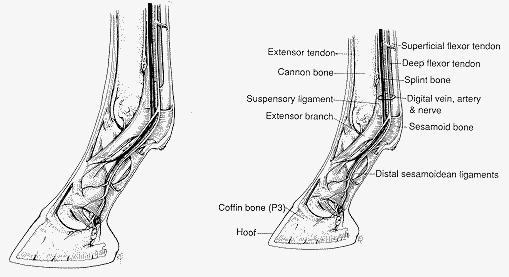
epm-diagram

Lyme Disease in Horses | TheHorse.com

Lyme Disease, testing and treatment considerations | Best Horse Practices

Microsoft Word – Lyme Multiplex testing for horses at Cornell_2-12-14 –

Lyme_Disease_Multiplex_Testing_for_Horses.pdf

Recommended Equine Professionals and Services

 True North Equine Vets  www.truenorthequinevets.com   540-364-9111

Genesis Farriers: Dave Giza www.genesisfarriers.com   571-921-5822

Ken Pankow  www.horsedentistvirginia.com  540-675-3815

Full Circle Equine www.fullcircleequine.com  540-937-1754

Farriers Depot:  (Farrier related supplies) www.farriersdepot.com 352-840-0106

StemVet (Stem cell acquisition and storage) www.vet-stem.com

SmartPak Equine Supplements  www.smartpakequine.com


I have a limp!

Resources on how to diagnose, treat, prevent, and handle lameness in horses

Your Horse Has a Swollen Leg – Why and What To Do | EquiMed – Horse Health Matters

All About the Fetlock

Fetlock Lameness – It’s importance… | The Horse Magazine – Australia’s Leading Equestrian Magazine

Causes of Equine Lameness | EquiMed – Horse Health Matters


Common Causes of Lameness in the Fetlock

fetlock lame


Equine Podiatry

Medical History


  1. DDFT Lesion on right hind
  2. Cervical Spine Arthritis
  3. Hip discomfort due to past fall

Past Treatments Tried


  1. Stem Cell Injections: Healed the DDFT lesion in right hind until recently the lesion began to reappear
  2. Ozone Therapy: Assists in the healing of tissues
  3. Shock Wave Therapy: Assists in the healing of tissue
  4. Chriopractic adjustments
  5. Acupuncture
  6. Supplements

Initial Consultation


Chance showed decreased movement in his right hip and a audible cracking noise at the suspensory joint.  He has edema of both hind fetlocks, Pastern, and Pastern Dermatitis.  Chance was unshawed on both hinds due to his inability to stand for long periods of time and his decreased mobility.  However, his front adorned clips.

Due to the length of Chance’s front toes and the height of his heels he was unable to evenly distribute his weight (60/40) to his front and hind ends.  This would most likely cause increased tension on the DDFT tendons and corresponding ligaments resulting in an increased likelihood of tendon and ligament related injuries.  The uneven distribution of weight could also inhibit the horse’s range of motion through his hips resulting in his body compensating for this injury and causing ataxia (balance issues), pain, arthritic changes, and cervical spine misalignment.

By shortening the toe of both front feet, the heel will rise allowing a more even distribution of his weight.


Front


IMG_3193

IMG_3196


Final Product: Front


Trimmed feet to corrected to the following specifications:

Foot   Beginning Angle & Toe       Corrected Angles & Toe   Total P.C.

L/F    47 Degrees at  3 7/8 inches   53 Degrees at 3 inches         6 Degrees

R/F    45 Degrees at 3 3/4 inches    54 Degrees at 3 inches         9 Degrees


Hind


20160604_160438


Final Product: Hind


20160609_153622

 Return visit to trim and shoe Chance’s hind feet with #2 OBRHB Wedge shoes.Trimmed hind feet and corrected to the following specifications:

Foot   Beginning Angle & Toe       Corrected Angles & Toe   Total P.C.

L/H   48 Degrees at 3 7/8 inches    54 Degrees at 3 1/4 inches    6 Degrees

R/H  46 Degrees at 4 1/4 inches     55 Degrees at 3 1/4 inches     9 Degrees

Note: Chance needed to be sedated by veterinarian to complete the trim and shoe his hind feet due to preexisting hip and DDFT issues.

Treating Cellulitis in horses

A common and potentially hazardous infection that can be helped with combining antibiotics, cold hosing, and exercise.

Liz Goldsmith's avatarEQUINE Ink

Freedom's left knee was very swollen. You can see the scrape on the outside of the knee.

On Monday night I showed up at the barn around 7:00 p.m. to ride once the day cooled off. To my dismay I found that Freedom’s knee was hugely swollen. I had wrapped his legs because he’d felt a bit stocked up the night before and because the swelling had no where to go except the knee, the effect was horrifying. Visualize a grapefruit.

Almost immediately I saw the cause: a scrape less than an inch long. Before I called the vet I scrubbed the wound to make sure it wasn’t a puncture wound (didn’t look like it to me, but a puncture would where a joint is involved can be very serious). Normally I would also shave the area around the cut but I had sent my clipper blades out to be sharpened!  My guess was cellulitis but since it involved a joint I wanted to makes sure I…

View original post 499 more words