Tag Archives: Research

If You Experience Worsening Depression…

Chance began another round of Excede to get his scratches under control- it is a never ending battle.  A while back, I had a skin scrape of Chance’s scratches due to their chronic nature.  The scrape results showed a number of bacteria, all commonly seen with this type of infection, that were resistant to most antibiotics.  Thus why we decided to try Excede.

Administering Excede is pretty straight forward- 1 shot IM every 4 days for about a month.  Easy enough….or so I thought.  The first shot was administered by the vet when I was not present.  The second shot the vet also administered while I was there.  Thirty minutes after the shot was given to Chance I noticed he seemed off but not in his “normal” post-acupuncture relaxed state. He suddenly became lethargic, he wouldn’t eat his dinner, and the gut noises became almost nonexistent. I commented to the vet my concerns and she came over and reexamined him.  Sure enough something was wrong.  She proceeded to administer 10cc of Banamine (just in case it was colic) and told me to walk him around outside for about 20-30 minutes.  Then see if he would eat 2 cups of feed only.  We walked and Chance began to act like his normal happy go lucky self.  Once inside he started to eat!

Part of me felt that his reaction was a fluke.  However, the third dose proved me wrong.  Four days later, Chance received his shot and went outside to enjoy the first beautiful, warm day.  I sat in the field watching him.  He was sluggish, lethargic, stiff..he looked 10 years older and barely moved from one spot under a tree.  He wasn’t eating grass nor did he run around and play- he didn’t even run up to me like he normally would. I decided to bring him inside and give him a warm bath since it was in the high 70’s.  He was non responsive to his bath- no playing with the hose or even accepting peppermints.  I placed a cooler on him to ensure he stayed warm until he was out in the sunshine.  I figured after a bath he would perk up- again, I was wrong.  At dinner time I went to bring him in and typically I will open up the gait and he will canter into his stall- he slowly walked instead. He wouldn’t eat his feed (he normally whinnies and makes a fuss until he gets his feed and devours it) or his hay…I stayed and watched him for a while and he just slept.  I spoke to John, the guy who helps me with Chance and Lucky, and he confirmed that Chance hadn’t been finishing his feed and wasn’t running when he brought him in for dinner.

My concerns grew and I decided to do some research on Excede. That strange thing is I usually do extensive research before changing or administering anything with my animals.  But, for some reason I did not do so this time and I wish I had.

According to a number of reputable websites, Excede can cause significant and dangerous side-effects such as; diarrhea, severe acid reflux, blood coming from mouth, loss of appetite, lethargy, muscle and gait stiffness, and more.

The most troubling of everything that I read wasn’t what was posted on the Pfizer (the manufacturer) website but from the countless statements given by horse owners and the studies done by outside companies.

According to drugs.com, “in the PK study, several horses developed clinical signs consistent with foot pain (stiff in the front limbs when turned in tight circles, and increased pulses and heat to the front feet). One horse in the NAXCEL group and one horse in the 6.0 mg/lb (2X) EXCEDE group were euthanized due to laminitis. Clinical signs of foot pain (stiff front limbs and increased heat and pulses in feet) affected more horses, for a longer period of time, in all EXCEDE-treated groups as compared to the NAXCEL-treated group. The study housing (multi-horse pens on concrete slabs) and diet (free choice alfalfa/grass mix and once a day pellets) may have contributed to the development of foot pain. The prevalence and severity of injection site reactions in EXCEDE-treated horses may also have contributed to the development of a stiff gait. A causal relationship between ceftiofur and foot pain could not be definitively determined.”

The research has revealed that Excede should be used with caution and the horse receiving the medication must be monitored. Make sure to weigh the benefits and risks before starting Excede.  This drug can be lifesaving for many horses but for others, it can be life-threatening.


Excede Resources


Straight from the Horse’s Mouth: Antibiotics, Antifungals, Antivirals

Excede Study

Equine Product Catalog: In depth understanding of equine medications

FINALNewMexicoEIBPetitionExhibits2908-1407_pdf


Who Are You?

I have been trying for years to read Chance’s tattoo.  Unfortunately, the tattoo was faded even back in 2000 and has become that much more over the years.

I have tried everything I can think of to figure out his tattoo or gain any information that I can about his racing name- video, photos, lots of light, a flashlight, a blue light, red light, asking vets and dentists, emailing his previous owner, the farm where I purchased him, my past trainers, rummaging through my old files…nada!

I have searched for hours on Jockey Club using his markings (white marks on his face and legs, different letter and number combinations based on his age, and different variations of what I thought was his “racing name”).  I have even done a guided search that came back with nothing.

Chance’s racing records do not matter in the grand scheme of things…it is more curiosity then anything else.  Plus, I think it would be pretty cool to find out more about my guy.

So far all I have is;

GENERAL IDENTIFICATION:

Horse Name:
Tattoo Number: T_____
Foaling Year: 1990
Color: Chestnut
Sex: Gelding

OTHER IDENTIFICATION:

Head: Patch of white hairs mid to top of eye level
Head Cowlick(s): Median cowlick at top of eye level.
Neck Cowlicks(s): Middle of front of neck
Left Fore Leg: cornet white left side of heel white
Left Hind Leg: none
Right Hind Leg: some white on cornet band
Right Fore Leg: none
Body: top of head off center/right behind right ear small white patch
Other: left foreleg inside firing markings


Resources


Identifying A Thoroughbred’s Tattoo

The Jockey Club Registry

How To Read Your Horse’s Lip Tattoo Video

I Wish Money Grew On Trees

It is a new year.  So, what better way to start off the year then to make a budget for my horse-related expenses.  Yay!!!! (NO!)  Owning a horse is not just like owning any other pet…it is far more expensive.  Especially when you have a senior horse with maintenance vet bills and a rather large diet.

The average horse has the following expenses:

  • Feed
  • Hay
  • Supplements
  • Board
  • Farrier 1x a month
  • Dentist/Float about once every 6mths
  • Vet
  • Vaccinations and worming
  • Coggins

And that is the bare minimum….

I have always known how much my guy costs to keep happy and healthy and living a life of luxury but when I added it all up on one spreadsheet and saw all of the numbers right there in front of me I almost hyperventilated!  How much!???

Below is my personal budget for Chance.  I set up the average cost of each item/service and set up a column for each of the upcoming months.

Budget


Below are some useful resources for making your own budget.


Horse Expenses

Horse Expense Calculator

The TRUE Cost of Owning A Horse

“I’ll Send An SOS To The World…”

Equine Emergency Preparedness in Virginia

The below was written by: Shea Porr, Ph.D., Superintendent, Middleburg Agricultural Research and Extension (MARE) Center, Middleburg, Va.; and Jennifer Brown, D.V.M., Clinical Assistant Professor of Equine Surgery, Marion duPont Scott Equine Medical Center, Leesburg, Va.

The 2006 Virginia Equine Survey reported approximately 215,000 horses – a 26 percent increase since 2001 – that was accompanied by a 41 percent increase in the number of horse operations. The equine industry is growing, and there should be adequate emergency preparedness training and documentation for both emergency responders and horse owners or service providers. In nearly every emergency or disaster situation, preparing before the event is the key.

There are a variety of emergency and disaster situations that could affect horses in Virginia. Acts of nature include such things as hurricanes, tornadoes, and winter weather, as well as floods and fires (both barn and wildfires). Other emergencies include loose horses on roadways, horses – alone or with riders – hit by cars, and horses trapped in overturned or wrecked trailers. This publication includes methods of assessing risk for the types of natural disasters that are most common in a given area, as well as other types of emergencies that may be encountered. It discusses how to work with emergency management personnel and presents tools to help people prepare before an incident, including setting up emergency plans and having appropriate first-aid and emergency kits gathered. It also covers how to respond during an incident, including when to evacuate, where to go, what to take, how to contact friends and family, and how to return or recover after an incident.

Emergency Contact Information

Listed below are some state and local agencies that you might want or need to contact in case of an emergency or disaster. Fill in the contact information for your local agencies for faster reference.

Virginia State Animal Response Team: (804) 346-2611; http://www.virginiasart.org

Virginia Department of Agriculture and Consumer Services: (804) 786-2042; http://www.vdacs.virginia.gov

Office of the State Veterinarian/Veterinary Services: (804) 692-0601; http://www.vdacs.virginia.gov/animals/vetservices.shtml

Local fire department:

Local animal control:

Local feed store/hay dealer:

Local emergency veterinarian or regular veterinarian:

 General Disaster Preparation

In the event of a disaster, it’s very important for you as a horse owner to have preplanned actions and proper information to enable you to make rapid decisions that may save your horses and even your own life. The following general guidelines will help you become better prepared.

Assess Your Risks

There are a wide variety of accidents or disasters that could affect different areas of the country. Take time to evaluate the region in which you live and assess which risks you are more likely to encounter. Examples of widespread disasters include floods, fires, tornadoes, hurricanes, nuclear accidents, disease threats, chemical spills, and ice storms. Typical accidents or other emergency situations may include escaped animals and horses – with or without riders – hit by a car or stuck in ditches, mud, or water. For each type disaster, ask yourself the following questions:

• What are your major vulnerabilities?

• What can you do to minimize the damage?

• What plans do you have in place?

• Who do you need to contact?

Before an Event

Plan ahead. Hopefully it will be the best wasted time of your life and you’ll never have to enact your emergency plan. However, if you do need to take action, you’d rather be prepared. Start by taking a careful look at your property and identifying the best place to locate your animals for each type of disaster you consider. Check for alternate water sources. You want to be able to have enough fresh water and hay available to last for at least 48-72 hours.

Prepare for the possibility that you might need to evacuate both yourself and your horses. Check with your local law enforcement, animal control, or agricultural Extension agent for routes and recommendations. Several locations should be identified ahead of time, and you will want to know the entry requirements for each. Be sure to have agreements arranged for your animals in advance.

Nothing is worse than needing to move your horses and having no way to get them out. Keep trailers and vans well maintained and full of fuel, ready to go. If you don’t have enough trailer space to move all your animals at one time, make arrangements with a neighbor or professional horse hauling company. You will want to have contracts in place in advance, because making arrangements at the last minute in an emergency situation is often impossible. Make sure to keep current and adequate insurance coverage on all vehicles.

Animal identification: Prepare an identification packet for each horse, including information on their age, sex, breed, color, registrations, unique identifying marks, photos, microchip numbers, etc. Write down any special feeding instructions, list any medications with dosage, and record the name and phone number of your prescribing veterinarian. Be sure all vaccinations and medical records are in writing and up to date. Have a current Coggins test, which you will need if your horse has to be moved to get to safety. If you’re going across state lines, you may need a health certificate along with a copy of your Coggins test. If you leave, take your records with you. Records left at home may be damaged or destroyed during a disaster.

If you become separated from your horse in a disaster or emergency, permanent identification such as a tattoo, microchip, or brand will help reunite you, as well as provide proof that the animal is yours. If disaster strikes before you can do this, find another way to get your information onto the animal. Use leg or break-away neck bands with your contact information or braid a waterproof luggage tag into the mane or tail to help identify your horse. You can also paint or etch the hooves; write the information down, seal it in a Ziplock-type plastic bag, and then secure it to the halter with duct tape; or paint your telephone number on the side of the animal using livestock paint.

Finally, consider an event where you might by unable to evacuate all your animals. Make a priority list and familiarize both family and farm personnel with the list in case you are not present when the disaster occurs.

Seventy-two-hour emergency kit, first-aid kit, and emergency tools: The 72-hour emergency kit is designed to help you ride out the immediate impact of a disaster, making certain that essentials are provided for. A plastic trash barrel with lid can be used for a multitude of things and can store many of the items in the kit when it’s not needed. Pack one or two tarpaulins for protection and a couple of water buckets. If you have time to prepare, make sure to have enough hay, feed, and water for each horse for at least three days stored safely – though a week would be better. It is very possible that roads will be closed because of downed power lines and trees, limiting access to feed stores. Cover hay with waterproof tarps and place it on pallets to reduce the chance of the hay sitting in water and keep grain in water-tight containers.

Each horse will need 12-20 gallons of water per day. Fill all the water troughs and buckets. Additional water can be stored in garbage cans with plastic liners. You might want to consider purchasing a generator to run the well if you have a large number of horses.

Have a packed first-aid kit in the emergency supplies and consider one for the trailer as well.

Your basic first-aid kit should include the following:

  • Exam gloves
  • Betadine or Nolvasan solutions for cleaning and disinfecting wounds
  • Antibiotic ointment
  • Sterile gauze pads
  • Absorbent dressings
  • Cotton leg wraps and Vetrap bandaging tape/standing wraps to secure them
  • Thermometer
  • Bandage scissors
  • Sterile saline
  • Knife and wire cutters
  • Duct tape
  • Fire-resistant leads and halters
  • Clean towels
  • Fly spray
  • Livestock markers or paint
  • Regular bleach (unscented, with hypochlorite as the only active ingredient; can be used to purify water for drinking*)
  • Lime (can be used for sanitation)
  • Portable radio
  • Flashlight
  • Extra batteries

* To purify water, add eight drops of chlorine bleach per gallon of water and let it stand for 30 minutes before consuming.

Emergency tools include such things as:

  • Chainsaw and fuel
  • Hammer and nails
  • Fence repair materials
  • Wire cutters
  • Pry bar
  • Fire extinguisher (see the section on fire safety for more information)

Buddy system: Talk with a neighbor or friend and make arrangements to check on each other after a disaster. Tell one another if you are evacuating and to where so someone else will know where you are going. Buddies may agree to pool resources for such items as generators, water tanks, trailers, etc. You will also want to have a network of people outside the disaster area that you and your friends and neighbors can contact to check on each other, because the local communication infrastructure may be compromised and not available.

Putting the plan into practice: When facing a potential disaster, remain calm and follow your plan! Remember: It is vitally important to evacuate early in any mandatory evacuation to avoid getting stalled in traffic and create unnecessary hardships.

After an Event

Notify family, friends (your buddy), and officials that you are OK – whether you stayed or evacuated. Use phones, radios, the Internet, signs, or word of mouth. As soon as possible, take pictures or videotape of storm-damaged property for insurance claims.

Inspect your premises carefully before turning out horses. Look for foreign materials such as tin, glass or nails, downed trees or limbs, and damaged fences or power lines. Be careful leaving your animals unattended outside. Familiar scents and landmarks may be altered, and your horses could easily become confused and lost.

Check with your local veterinarian or the state veterinarian’s office for information of any disease threats that may exist because of the situation. If your animals have been lost, or if you find someone else’s horses, you have several options. By contacting local horse owners, farriers, veterinarians, animal control, or the local disaster response team or by listening to the Emergency Broadcast System, you’ll most likely find out how to log lost or found animals. If you have lost horses, be prepared to identify them and document ownership. This is where your identification packet comes in handy. In the event that you find lost animals, use extreme caution in handling them. If possible, work in pairs for safety. Keep the lost horse(s) contained and isolated, and notify authorities as soon as possible.

Hurricanes

Hurricanes bring a variety of weather-related dangers with them, particularly tornadoes and flooding. Leading causes of death in large animals related to hurricanes include animals killed in collapsed barns, electrocution, complications secondary to dehydration, animals hit and killed on roadways, and horses tangled in barbed wire after escaping from their pasture. As noted in the general disaster preparation section, each farm should have a written disaster plan to optimize the safety and survival of all animals.

Before the Storm

Horses should be current on their vaccinations, particularly their tetanus toxoid vaccine. Some veterinarians will also recommend vaccinating against eastern or western equine encephalitis at the beginning of hurricane season due to the potential increase in the number of mosquitoes after a storm. All horses should also have a negative Coggins test, if only because the horse may need to be evacuated to a community shelter or cross state lines. A health certificate is also required to cross state lines, so one may be necessary for evacuation of coastal areas. Review the section on general disaster preparations for other details.

Farm considerations: In addition to the general disaster preparation recommendations, be sure to secure all movable objects and remove all items from hallways. Jumps and lawn furniture should be secured in a safe place. Place large vehicles, tractors, or trailers in an open field where trees cannot fall on them. Finally, turn off electrical power to barn.

Evacuation plans: Evacuation of flood plains and coastal areas is usually recommended, and should occur 48 hours before hurricane-force winds occur in the area. Transportation of horses when wind gusts exceed 40 mph is dangerous, and trailers may not be allowed across bridges for safety reasons.

If you can’t evacuate or choose not to, what is the best method for keeping your horses safe? Should horses be left in the pasture or placed in the barn? If the pasture has good fencing and limited trees, it is probably best to leave the horses outside. Do not keep horses in barbed wire or electric fencing during a storm. Trees with shallow roots will fall easily under hurricane-force winds and can injure the horse or destroy the fencing. Fire ants and snakes will search for higher ground during flooding. Carefully look over the premises and the feed for these potential dangers. Well-constructed pole barns or concrete block barns may provide safety from flying debris, but the horses may become trapped if wind collapses the building. Keep horses out of pastures with power lines.

After the Storm

Use the information under general disaster preparations to pick up the pieces and carry on.

Winter Storms

Many of the preparations noted earlier apply to winter storms as well. The main consideration during winter is ensuring that the horses have shelter to help them keep warm. Horses should at least have access to adequate shelter, but in cases of severe storms you may want to bring them inside a solid barn. The same consideration for trees and power lines in hurricanes holds true during winter storms: Be cautious leaving horses in fields where these may come down and either cause harm to the animals or damage fences, allowing the horses to escape. Pay special attention to young or senior horses, as their ability to adapt to the colder weather may be compromised.

Keeping extra hay, feed, and water on hand is also appropriate. Feeding extra hay can help the horse to stay warm, and they will still require approximately 10 gallons of liquid water each day.

Fire Safety and Horses

Fire prevention and safety are the duty of every person involved with and around horses. Safety involves common sense and a trained response and should be taught along with basic equitation by trainers, organizations, and parents. Preventative measures apply whether the facility is a track, training barn, summer camp stable, or backyard barn. Rehearse the necessary course of action to be followed in the event of a fire with members of your family, boarders, youth in training, and others directly involved with the animals in the barn. Fire is the most terrible death that can befall an animal, especially a horse penned within a corral or stable.

Be safety conscious at all times. Fires give little warning. Know where fire alarms, if present, are located. Know where water sources and fire equipment is located, and how to use it properly. Conspicuously post the number of the local fire department (even if it’s 911) by all telephones. Fire prevention is easier to preach than practice, but it is a vital part of horse ownership and management.

Fire Prevention Measures

In the barn area, clean up and dispose of debris (especially flammable debris) regularly. Also, make sure to mow and spray for weeds near the barn. Avoid storing feed and bedding in the top of the barn. Preferably it should be located in another building. The alleyway in front of stalls must be kept free of debris and open at all times to give easy access to each stall door in case of fire. Tack rooms should not be locked unless occupied – there are many flammable items in a tack room.

Do not allow smoking in the barns, stalls, tack rooms, or sheds. No open fires should be allowed anywhere in the stable area, nor should you allow the use of oil- or gas-burning lanterns or lamps. Install an adequate number of water outlets and have hoses attached to each. It can also be handy to have an outside phone with the fire department’s number prominently displayed. Finally, check all electrical wiring periodically for frayed ends, doubled-up extension cords, and so forth, and replace them as needed. All electrical appliances used in stable areas must be in safe working condition. When in use, they must be kept a safe distance from walls, bedding, and other furnishings. They should not be left unattended when they’re on. Also, electrical wiring should be contained in a metal conduit to prevent rodents from chewing on them and creating a fire hazard.

Stable Fires

The official records of the National Fire Protection Association show that the majority of fires in stables (figures compiled from reported fires at racetracks, breeding farms, and fairgrounds) are caused by misuse of electrical apparatus, heaters, and careless smoking. Other causes of fires are lightning, arson, and spontaneous combustion.

Also of note is the fact that almost all horse barns have the following in common:

  • Wood construction – either total or partial.
  • Bedding straw or shavings in stalls.
  • Storage of hay, bedding straw, or shavings in close proximity to the barns.
  • Highly combustible materials within (leather, blankets, ropes, oils, etc.).
  • People.

The burning rate of loose straw is approximately three times that of the burning rate of gasoline. The horse in a stall where the fire originates has only 30 seconds to escape. Compare this to the fact that it takes anywhere from 30 seconds to more than a minute to halter a horse and lead him out of the barn. These startling statistics dramatically emphasize the fact that a stable fire, once underway, does not give much time for horse evacuation. There have been situations where people were in the barn when the fire started, yet most of the horses were lost because the fire spread so quickly.

Automatic sprinkler systems are advocated for commercial facilities such as racetracks, large breeding establishments, and other commercial-type enterprises. Water-type fire extinguishers (see combating a fire below) are effective if used within the first minute. Because stable fires develop rapidly due to the abundance of combustible materials, fire extinguishers are of little or no use once the fire has gained burning time.

Other Possible Fire Situations

Transporting horses: Quick-release snaps should be used to secure the horse in the trailer or truck in order to facilitate the safe handling of horses in case of an accident with possible danger of fire. Lead ropes should remain on horses while they’re traveling. Fire extinguishers should be readily accessible (i.e., in the truck), not locked in a trailer tack compartment.

Horse shows: Follow proper parking procedures so you don’t block fire hydrants or street entrances in case fire-fighting apparatus is needed to access the barns or buildings. Never, ever padlock your horse in a stall.

What to Do in Case of Fire

Assuming you have only 30 seconds to put your plan into action, you have little time to stand around. First things first:

  1. Call the fire department. You may get the fire under control, but if you don’t, you want them already on their way.
  2. Make sure someone opens all outside access gates into the stable area to let the emergency vehicles get onto the property quickly. That person should also wait to guide emergency responders into the property if necessary and make sure the road or driveway stays clear.
  3. Begin evacuating horses. If at all possible, use halters and lead ropes that are (hopefully) hung next to the stalls or paddocks. Blindfold the horses if necessary, using coats, scarves, handkerchiefs, or sacks.
  4. Move the animals to a holding area away from the barn and out of the way of firefighting equipment. Don’t let the horse’s loose outside because they may either run back into the barn or get in the way of firefighters’ efforts.

Combating a Fire

Fire extinguishers are good for controlling a small fire before it can get out of control, limiting property damage and preventing injuries to people and horses. However, using the wrong type of extinguisher or using one incorrectly can cause more problems. Learn about fire extinguishers and how to properly use them.

Finding the right extinguisher: Flammable materials are grouped into several classes based on how they burn, and each group has a particular type of fire extinguisher that’s appropriate. These three types of extinguishers represent the fires that would most commonly be encountered in a barn or stable area:

  • Class A fires include ordinary combustibles such as wood or paper. Water is effective in these cases, and extinguishers for these types of fires will be labeled with a letter A inside a green triangle.
  • Class B fires include flammable liquids like gasoline and kerosene. They require a dry chemical or powder to properly extinguish, and the canister will be labeled with a letter B inside a red square.
  • Class C fires include energized electrical equipment such as wiring, circuit breakers, and appliances. A nonconductive extinguishing material should be used. Fire extinguishers will be labeled with the letter C inside a blue circle.

Another note: Most home extinguishers are designed for a single use and should then be discarded. Industrial extinguishers can be recharged. Know which ones you have and maintain them as recommended. Have them inspected annually to be certain they’re functioning properly.

Fire extinguisher location: Place extinguishers near locations where flammable materials are kept. Keep them near exits, away from heat sources. Also, keep them at an accessible location but not easily reached by small children.

Using an extinguisher: Contact your local fire department to see if they will offer a short course or session on proper use of a fire extinguisher. It may be useful to have a session with your horse or pony club so multiple people can receive the training.

If you decide it’s appropriate for you to fight the fire, remember the word PASS:

  • Pull the pin. It’s at the top of the unit near the operating lever.
  • Aim low and away from you. Point the nozzle or hose at the base of the fire.
  • Squeeze the lever above the handle to activate the extinguisher.
  • Sweep from side to side. Start about 8-10 feet away from the fire, aiming at the base of the flames. Move slowly forward if it appears to be going out.

Knowing when to fight the fire: Fire extinguishers are not appropriate in all situations. If the fire is small and contained, and you know what materials are burning and have the right class of extinguisher, you may want to try to put the fire out. Be sure to call the fire department first and make sure all people and animals are evacuated to safety.

If the fire spreads outside the original, contained area or if smoke fills the barn, it is time to get out. Also, if the fire is still burning when the extinguisher empties, you need to leave the area. Finally, if you’re feeling overwhelmed or confused, get out. Firefighters are trained to deal with fire. Let them handle it.

Are You Prepared?

Ask yourself the following questions to see if you’re ready in case of a fire in your barn:What’s the phone number for the fire department?

  • What will I do with the horses?
  • How can I fight the fire? What can I use to put it out?
  • Where is the alarm?
  • Where is the electrical master switch?
  • Do all horses have halters and lead ropes hanging on their stall doors?

Other Horse Emergencies

Other emergencies involving horses can happen in the aftermath of the previously described emergencies or in isolation. Your plan for those situations will also help prepare you for the other things that can arise.

Hit by Car

An unfortunate consequence of horses becoming loose – either from downed fences or a gate accidentally left open – is the possibility they may be struck by a motor vehicle. Being hit by a car is often catastrophic for the horse, vehicle, and people involved. The types of injuries are variable but often are quite severe. Injuries to the musculoskeletal system predominate and may include wounds, lacerations, tendon injuries, joint injuries, fractures, or any combination of these.

If a horse is involved in an automobile collision, call both 911 and a veterinarian. Emergency respondents are essential to help control the scene and deal with any human injuries. The veterinarian will be able to assess and deal with the horse’s injuries. Until the veterinarian arrives, you will want to move the horse (if possible) out of the roadway and provide first aid to any injuries. It is important to keep the horse quiet until he can be assessed by the veterinarian.

Trailer Accidents

Trailer accidents include overturned trailers or trailers being struck by another vehicle. Injuries to horses in trailer accidents can vary, even when overturned. Horses, being prey animals, will often struggle and panic when these accidents occur. However, some horses will be very quiet, resulting in less self-induced injury. In both situations, emergency personnel should be contacted first. They will be essential in scene control. Additionally, fire and rescue personnel have the skills and equipment necessary to extricate humans and animals from damaged trailers and vehicles.

The veterinarian should also be contacted, which will usually be done by first respondents or the dispatchers in the area in which the accident occurs. You can help assure this happens by asking the first respondents on the scene to be sure to contact a veterinarian to respond to the accident. Occasionally, a veterinarian will be needed prior to extrication for sedation or assessment of the animal, but veterinary assistance is generally not needed until the horses are removed from the trailer. Then the veterinarian can provide the necessary care when the horse is in a safer environment.

Down/Trapped Horses

Horses can become down or trapped following natural disaster, accident, or illness. Ditches, sink holes, and septic tanks are potential hazards that you can have on your own property. Assessing your farm for potential areas that horses could get stuck in and subsequently blocking off these areas will help prevent such accidents. With natural disasters, water or mud may sweep horses into areas they can’t get out of. Some illnesses, such as West Nile virus, can affect a horse’s nervous system such that he is unable to get up and stand on his own.

Each of these situations has unique challenges that are worsened by the large size of the horse and the horse’s temperament. Again, fire and rescue personnel will be an essential component of removing your horse from the situation. They have the training, skills, and equipment to move heavy objects. There are also technical large-animal rescue courses that fire and rescue personnel may have taken to provide them with an even more advanced skill set.

If you find your horse in a situation where he is trapped, contact your local fire and rescue service and your veterinarian. While you are waiting for assistance, make sure there is access for people and equipment into the area. Any other horses should be moved from the scene.

Extricating the horse can be a long process and it will take good planning to make sure things go smoothly. If the horse is in a position where he can drink (i.e., in a standing or sternal position), you can offer water to help prevent dehydration. Food can usually wait, unless it would help keep the animal quiet. Be sure that first responders are in charge of moving the horse and the veterinarian is present to provide supportive care, first aid, or sedation, if necessary.

Summary

In conclusion, while you can’t always predict when an emergency or disaster is going to occur, the best way to be ready is to plan ahead. Consider now – when you have the time to think and practice – what you would do if a fire starts in your barn or a hurricane is approaching your farm. Stock up on appropriate supplies and check your emergency and first aid kits at least once a year to make sure nothing has expired and everything is still in its place. Plan for where you will go if you have to evacuate and know whom to contact for more information.

Plan ahead. If you never have to enact your emergency plan, the preparation will still be the best waste of time you ever spend.

Acknowledgements

The authors would like to thank Watson Lawrence, ANR Extension agent, Virginia Cooperative Extension Chesapeake City Office; Crystal Smith, ANR Extension agent, Virginia Cooperative Extension Warren County Office; and Karen Iovino, D.V.M., Blue Ridge Veterinary Associates, for reviewing this document.


Virginia Cooperative Extension materials are available for public use, reprint, or citation without further permission, provided the use includes credit to the author and to Virginia Cooperative Extension, Virginia Tech, and Virginia State University.

Issued in furtherance of Cooperative Extension work, Virginia Polytechnic Institute and State University, Virginia State University, and the U.S. Department of Agriculture cooperating. Edwin J. Jones, Director, Virginia Cooperative Extension, Virginia Tech, Blacksburg; M. Ray McKinnie, Interim Administrator, 1890 Extension Program, Virginia State University, Petersburg.

April 16, 2010


RESOURCES


AAEP Guideline and Resources

Disaster Preparedness By The Humane Society

Horse-Barn-Fire-Publication

What To Do In A Barn Fire

How To Protect Your Horse


PREPARATION PRINTABLE PDFS


managing-emergencies-aaep-convention-2012-31569

Supply List

equine-emergency-evacuation-kit-checklist-35917

emergency-evacuation-contacts-35939

emergency-horse-care-35940

identification-methods-for-horses-30016


“You Are What You Eat…”

Chance has gained almost 1000 lbs in over a year and he could still use a few pounds.  He lost wait quickly when he became sick.

Chance also has some factors that put him at a higher rate of weight loss and an increased difficulty maintaining and gaining weight.

  • he is a senior horse
  • a thoroughbred
  • a cribber
  • had an injury which caused him to not run around as much thus losing muscle mass

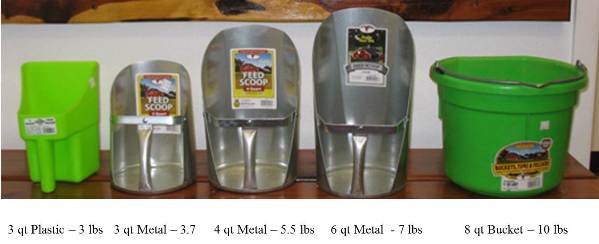
I slowly upped over the last year, with advisement from a nutritional specialist (her information is at the end of the post along with the name of her book which I found extremely helpful) and my vet, his feed from 3qt twice a day to 11qt twice a day.

Feed-Scoop-Differences.jpg

Chance’s current regiment includes:

AM:

  • Two 4qt scoops of Nutrina Safe Choice Senior feed
  • One 3qt scoop of Timothy and Alfalfa pelleted mix
  • I add his supplements
    • 2 scoops of Body Sore (All natural supplement)
    • 2 scoops of Cervical Formula (All natural supplement)
  • I mix it all together with warm water so that it is sloppy (this makes it easier for him to eat at his age and lessens the chance of choking.  Plus, it helps keep him hydrated especially in the winter when he is less inclined to drink as much water).

PM:

  • Two 4qt scoops of Nutrina Safe Choice Senior feed
  • One 3qt scoop of Timothy and Alfalfa pelleted mix
  • I add his supplements
    • 1 Smartpak (Senior Formula, Immune Booster, and Vitamin C)
    • 2 scoops of DuraLactin (All natural anti-inflammatory and pain reducer derived from cow’s milk also called MicroLactin)
    • 2 scoops of Body Sore (All natural supplement)
    • 2 scoops of Cervical Formula (All natural supplement)
  • I add about 5 flakes of hay (Alfalfa mix)
  • Two 3qt scoops of hay stretcher in a separate feed bucket for snacking through the night

IMG_3581.JPG

(Chance’s feed before adding water)

I also make sure that he eats his feed from a bucket on the ground.  According to my vet it is the best way for a horse to eat.


Here are Some Nutrition Resources


Horse Feeding Blog

Fox Den Equine

51YKaJXZ2nL._SX331_BO1,204,203,200_.jpg

nutrena-safechoice-senior-horse-feed-cherokee-feed-and-seed-ballground-georgia.jpg


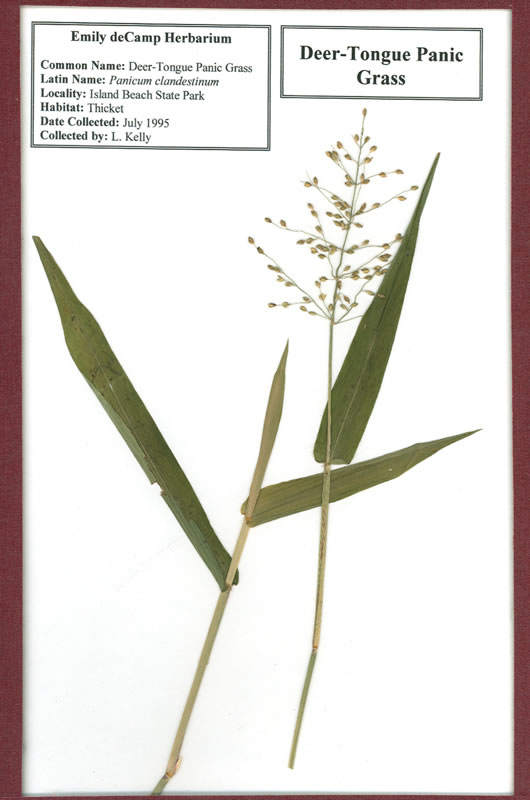
Horses in Virginia are at risk of Liver failure due to Panicgrass or Panicum.

Horses in Virginia are at risk of Liver failure due to Panicgrass or Panicum.

IMG_1763-1030x773

According to Haymarket Vet (http://haymarketvet.com/fall-panicum-grass-and-liver-disease/) Panicgrass is causing Fall Panicum Toxicosis in horses.

“In 2004, our practice was involved in documenting an important toxin for horses—fall Panicum (Panicum dichotomiflorum) grass.  This common native grass has been fed to horses in hay and in pasture probably since the Europeans first brought horses to our area.  But, while we know that it doesn’t cause illness all the time, certain growing conditions can cause it to become toxic, as it did in Nokesville, VA in 2004.  We don’t know what triggers the grass to become toxic, but we do know that it sometimes does become toxic, and the conditions are right this year. This study proved the hepatotoxicity: http://www.ncbi.nlm.nih.gov/m/pubmed/17186859/

Currently, there are several cases of liver disease in Fauquier, Clark and Loudon counties that appear to be from grazing Panicum grass in the pasture. Some signs of toxicity from eating the grasses includes: decreased appetite, lethargy, somnolence (unusual periods of sleepiness), mild colic, or neurological signs. Some horses have no symptoms at all.

If you have this plant in your pasture or if you find it in your hay cut this year, you may want to have your horses tested for liver disease; this involves a simple blood draw.”

Below is a link on more information about Liver Disease, symptoms, and treatment options.

http://www.tsln.com/agliving/equine/7614069-111/liver-horse-says-disease

Rubber. And aluminum. And plastic. Oh My!

What type of shoe should I use on Chance’s back feet?

I am looking for something that is glue-on, provides support and comfort, that has good grip, while providing protection for his hoof from the rocky terrain.

After some research, I found GluShus- a company out of England. Their shoes sound fantastic. They have an aluminum shoe set in rubber that glues onto the hoof.  Read more about these shoes by clicking the link below.

GluShu

I’ll let you know how it goes!

The Luckiest Unlucky Day Ever

Today was not the greatest of days….but I will say that we had the luckiest unlucky day ever!  And, of course, it was a full moon tonight which means I should just stay inside.

Today we met with a new farrier.  I have been doing some research on shoes that provide comfort, support, and do not mess up Chance’s hooves like nails tend to especially when a horse is on rockier terrain.  I spoke with my vet who suggested to,   “put shoes on all 4 hooves with a 1 degree wedge pad on both hind shoes.  Set all 4 shoes back from the toe of the foot by at least a 1/4th an inch.”

I went to the farm a bit early and gave Chance a bath, some Equinox for pain, and got ready for the farrier.  The farrier arrived and Chance was great!  He stood on the cross ties and ate hay like a champ.  For some reason I decided to lengthen the cross ties.  I am not sure why exactly but thank God I did.

My dad and the farrier were with Chance while I went to feed Lucky his dinner.  Well, after I fed Luck, I turned the corner and saw that Chance was on the ground!  Yes, you read correctly, he was on the freaking ground…all 17.1 hands of him!  The moment I saw him our eyes met- I know it sounds like the beginning of a love story- and he immediately took a deep breath and calmed down.  I walked up to him and he slowly got up and stood there right in front of me with his head resting under my arm- breathing heavily and he had the beginnings of sweat covering his body.

I stood there and just spoke to him- calmly- telling him he was okay.  Once a few minutes had passed, and he was calm, I walked him forward to make sure he was okay.  Sure enough, he was fine…aside from some surface scrapes.  I cleaned his scrapes up and walked him outside to eat some grass.  After about ten minutes, I walked him back into the aisle for the farrier to finish up.

According to both my dad and the farrier, Chance was having his back left shoe nailed in when the nail hit a nerve and he flinched.  I guess the farrier didn’t realize this because he hit the nail once more.  That was when Chance reacted and went down.  Thankfully, the farrier got out of the way & removed the nail midair (so that Chance wouldn’t go down on the foot with the nail and drive it deeper).  Think of a splinter going under your nail…and then hitting it again, deeper under your nail….ouch!

However, he landed somewhat gracefully, but due to the cross ties not being break away and the concrete not allowing Chance to gain any “grip” with his newly shod feet, he began to panic.  Upon seeing me, he calmed down, and he was able to get back up.  I can’t help but thank my lucky stars that I had lengthened the cross ties so that he had some slack, and that I came back inside when I did…had I not, he would have kept flailing.  Had I been in there when the nail hit the nerve it may not have happened because I would have said something to the farrier.  However, had I been in there when it occurred, things may have also been far worse…since my dog, Sadie, is always right by Chance’s or my side at all times.

We ended up deciding to forgo putting hind shoes on until later (a few weeks) and the farrier removed the one evil hind shoe and trimmed up the other hoof.  Chance stood quietly and allowed him to complete his job.  I was so impressed with my old guy!

I have emailed my vet to see if she is able to come check on Chance tomorrow just in case…hopefully, Chance will just be a bit sore in the morning and nothing worse….:(

Untitled 2

4 Horses Die Due to EPM Treatment

4 Horses Die After Receiving Compounded EPM Drug

Adverse events were reported in two Kentucky horses and eight Florida horses that received a pyrimethamine-toltrazuril combination.

Adverse events such as seizures, fever and death were reported in two Kentucky horses and eight Florida horses that received a pyrimethamine-toltrazuril combination. Four of the horses died or were euthanized and six horses are recovering, FDA reported.The U.S. Food and Drug Administration on Thursday issued an advisory about compounded veterinary medications after four horses being treated for equine protozoal myeloencephalitis (EPM) died.

Wickliffe Veterinary Pharmacy of Lexington, Ky., compounded two lots—one paste and one oral suspension—containing pyrimethamine and toltrazuril.

“At this time, FDA testing indicates that one lot of product contained higher levels of pyrimethamine than the labeling indicates,” the agency stated.

“All of the products in these lots are accounted for and are no longer in distribution,” FDA added.

The usual dose of pyrimethamine in horses is 1 mg/kg when combined with sulfadiazine as an FDA-approved treatment for EPM.

Toltrazuril is not approved for use in horses, the agency noted. Bayer Animal Health offers toltrazuril as the active ingredient in Baycox, an approved anticoccidial parasiticide used with poultry, piglets and cattle.

“In general, FDA has serious concerns about unapproved animal drugs, including certain compounded animal drugs,” the agency reported. “These drugs are not evaluated by FDA and may not meet FDA’s strict standards for safety and effectiveness.”

Drugs approved for the treatment of EPM, a neurological disease caused by a protozoal infection, include ponazuril, diclazuril and the pyrimethamine-sulfadiazine combination.

Wickliffe Response

Wickliffe Veterinary Pharmacy, a high-quality provider of customized medicinal solutions for veterinarians, is working cooperatively with federal health officials to learn more about the cause of the adverse events involving horses that received a compounded product from the pharmacy. We wish to extend our deepest sympathies to the owners of, and equine professionals associated with, the horses that have died or been euthanized.

The medication prepared by Wickliffe was specifically made for and dispensed to the horses for which the medication was prescribed. No other animal patients received the prescribed medication in question. The FDA has confirmed that all of the preparations are accounted for and secured. Accordingly, any risk of further adverse effects has been eliminated. There is no indication that any other products prepared by the pharmacy are unsafe in any way.

Wickliffe adheres to the highest safety and quality standards of the compounding pharmacy profession and follows all applicable state and federal guidelines. The pharmacy has a strong reputation and extensive history of providing excellent preparations to the equine industry. Wickliffe pledges its full dedication to ensuring the quality of its procedures.

Previous: Tips for Better Equine Radiographs
Want more Veterinary Practice news? Go here.

EPM Treatment Research

Ohio State University

College of Veterinary Medicine 

Treatment

Several regimens have been described previously for the treatment of EPM and >60% of horses respond to treament, and that clinical signs completely regress in 55-60% of the cases. The treatment most commonly used employs a combination of potentiated sulphonamides (Trimethoprim/Sulfas) and pyrimethamine. This combination causes a sequential blockade of folate metabolism in apicomplexan protozoa. Based on a recent pharmacokinetic study of pyrimethamine in horses, the dose required to reach the minimum inhibitory concentration (MIC) for Toxoplasma gondii in CSF is 1.0 mg/kg. The recommended dose of pyrimethamine is 1 mg/kg once a day for 60 to 90 days. However, it has been suggested that high dose pyramethamine therapy over this extended time period can result in anemia. Previous work using the 1 mg/kg dose of pyrimethamine once daily did not result in anemia, but the drug was only administered for 10 days to these normal horses. The trimethoprim/sulfa combinations have been recommended at a dose of 15 to 20 mg/kg bid per os for the full treatment period. If sulfonamides are used without the trimethoprim, the dose recommended is 20 mg/kg per os once or twice per day. Most of the treatments are administered for at least 12 weeks, but must sometimes be extended to 16 weeks or more. After initial therapy has been completed, some clinicians recommend periodically placing horses back on treatment if animals undergo some unusual stress. Other intermittent treatment therapies have also been used, such as treatment once every two to four weeks, or daily during the first week of every month. Intermittent treatment may increase the risk that parasites infecting a horse develop drug resistance. Therefore, we do not recommend intermittent or periodic treatments. Recent problems with the response to current therapy has led to increasing the dose of the sulfa/pyrimethamine mixture. Earlier, the only product applied at an increased dosage was the pyrimethamine; it was administered at 1.5 mg/kg, and sometimes even 2.0 mg/kg once a day. These increased dosages were used in cases that appeared to not respond within the first 30 to 60 days. A practice currently used by some clinicians for horses that do not respond to 30 days of treatment is to increase medication dosages. For example, if using the mixture from Mortar & Pestle, the dose for a 1,000 lb. horse is 30cc. Some clinicians are increasing it to 45cc. If no response is seen after 30 days of this dosage, the amount given is further increased to 60cc per day. This should only be done in consultation with your regular veterinarian. This also increases the importance of monitoring for signs of folic acid deficiency by evaluating CBC’s at least every two weeks. Recent discussions concerning EPM have led to reports of using tetracyclines in some cases that continue to be CSF+ even after many months (six months or longer) with the sulfa/pyrimethamine combination. This use is based upon tetracycline’s inhibitory effect on protein synthesis, however, no controlled trials have been performed at this time. The only reported antiprotozoal use of tetracycline was documented in sheep which received 30 mg/kg to treat a differentSarcocystis spp. infection. This an extremely high dosage, and is not recommended for use in horses. Some clinicians have experimented with administration of 6.6 mg/kg once or twice daily for one week. It is not clear why using tetracycline, a bacteriostatic agent, for one week would be curative. We would recommend that this therapy not be used or used with extreme caution until controlled clinical trials have been completed. Additional therapies are also being used by some clinicians. These therapies include the use of immune stimulants such as Eqstim, Equimune, alpha-interferon, or levamisole. These compounds may boost non-specific cell-mediated immunity. Cell-mediated immunity is necessary to rid the body of these parasites. The efficacy of these compounds has been established in humans with leishmaniasis. A new therapy (Diclazuril) has been receiving a lot of press recently and has been under study by the University of Kentucky. This new compound is a triazine derivative that has been used as a coccidiostat in other countries for a number of years. The site at which these compounds exert their effect is called a chloroplast which do not exist in mammals. For this reason, the compound should not be toxic to mammals, however, the toxicity studies have not been completed to date. The efficacy of this compound is very similar to the standard therapy discussed above, however, the treatment period is much shorter (four weeks) and therefore less costly. This compound has been used primarily in horses that have relapsed after the standard therapy with reasonably good success. This compound is available through the AAEP and the FDA by special permit. An additional triazine derivative (Toltrazuril) is available through the same sources as the Diclazuril. Current clinical trials are being performed at several sites throughout the US to establish efficacy against Sarcocystis neurona. A new therapy called Nitazoxanide (NTZ) is being investigated by Blue Ridge Pharmaceuticals. NTZ is a thiazolide derivative that demonstrates a wide spectrum of activity against bacteria, protozoa, and intestinal helminths. The drug is in development for humans to treat parasitic infections that are common in developing countries and to treat immunocompromised patients afflicted with cryptosporidiosis. Veterinarians may obtain more details on NTZ. The area is password protected. Please call 800-870-4264 to obtain the password to enter this area. We will need your name, your clinic address, your state veterinary license number, and your DEA number. When the horse has an acute onset of EPM which results in dramatic and progressive clinical signs, the use of antiinflammatory medications has been recommended. Use of antiinflammatory medications such as banamine phenylbutazone may be helpful. Intravenous administration of medical grade dimethyl sulfoxide (DMSO) at a dose of 1.0 ml/kg (approximately 1 gm/kg) in a 10% solution once daily for three days in a row. Some clinicians use dexamethasone parenterally in severely affected horses at a dose rate of 0.05 mg/kg bid or sometimes empirically at 50 mg. bid. However, we believe corticosteroids should be used judiciously. The exacerbation of signs in stressed patients and reports of horses with EPM showing a worsening of signs following the use of these medications suggest immunosuppression should be avoided. Ancillary treatments may include padded helmets, slings, good supportive care and a deeply bedded stall.Many horses appear to relapse days, weeks or months after treatment has stopped. Some apicomplexans have latent stages, however, Sarcocystis spp. are not known for this phenomenon. Sarcocystis faculata encephalitis in birds may persist for several months without reinfection, but this phenomenon may simply represent a low level infection and not the development of a true latent parasitic stage. A great deal concerning the life cycle of coccidia remains unknown. Now with the ability to produce experimental infections, we may be able to determine if S. neurona forms a latent stage or maintains a persistent, low level foci of infection. Re-infection may also be responsible in some cases. Reports at the EPM workshop in March of 1996 indicate that relapses occur approximately 10% of the time. More recently, it has been suggested that the relapse rate may be as high as 28%. However, this may be compounded by the premature withdrawal of medication or irregularities during medication administration. The efficacy of preventive therapies is open to debate.Because of the suspicion that protozoal infections occur more commonly in immunocompromised patients, immunomodulators or other therapies which may have a non-specific enhancement of the immune system may be helpful. The use of these products may have merit but further investigation is necessary. It is possible that these drugs may also enhance the immunopathologic effects associated with CNS infection.Prolonged therapy with antifolate medications should be monitored for signs of bone marrow suppression with resultant anemia, thrombocytopenia and/or neutropenia. Frequent blood samples for CBC’s is suggested on a biweekly basis. All horses that are receiving antifolate medications should have their blood tested for folate levels on a monthly basis. Antifolate medications may also cause reduced spermatogenesis in stallions and may be teratogenic to the fetus in mares. There is evidence to suggest that combinations of pyrimethamine and folic acid in the pregnant animal may lead to congenital defects in the fetus. This has been demonstrated in humans, rats, mice, hampsters, and pigs. There is also some evidence to suggest that this also happens in horses, therefore, we do not recommend the use of folic acid supplementation in horses, particularly in pregnant mares. The authors also recommend supplementation with vitamin E at the rate of 8,000 to 9,000 IU per day. Due to the role of vitamin E as an antioxidant, we feel that adding this to the treatment may aid in the healing of the nervous tissue. Acute colitis has also been associated with use of trimethoprim/sulfa combinations.It appears with the increased dosage of pyrimethamine that is being utilized for today’s treatment of EPM as well as the experimental medication usage, there is an increased incidence of what some people term a “treatment crisis”. This is a real problem that is a concern for many clinicians. It would appear this is related to a large dose of medication and subsequent development of an inflammatory response to the killing of large numbers of parasite at one time. The spinal canal is a very narrow space with limited room for expansion due to inflammation. Therefore it would seem prudent to start horses on EPM treatment with NSAID therapy at the same time to reduce inflammation and perhaps prevent this so-called crisis.

Where to go from here…

Over the last couple weeks, I have seen moments where C looks like a healthy 8 year old, who can do anything, and other days, he looks like he did when we began treatment for EPM. The entire journey is daunting and heart wrenching…but how can I give up hope when, according to the numerous veterinarians and the countless journals, he is not in pain? And when his eyes light up when he sees me? And when he rolls around in the snow? Or is laying in the sunshine? Or when he gobbles up his food? Or when I see him close his eyes and hear him let out a sign while I groom him? Or hear him whinny? Or run around in the field? I can’t. I won’t. Not after the 15 years he gave me- doing the work, moving with me, being my buddy. I owe him. So, the endless hours of research will continue, as it has with each hurdle over the many months. Fingers crossed.

10632734_814940790274_4349419538848481117_n

A Month Later

Luckily, after about one week of stall rest and hand walking, along with a stronger anti-inflammatory, Chance has begun to show improvements over the last couple weeks of treatment.

Chance has almost completed his first 30 days of EPM treatment and has about a day or so left of the Protazil. He is going to continue his other medications and supplements:

1. SmartPak: senior flex and immune boost
2. Vitamin E
3. MicroLactin (amazing) to help with regrowth of his cells, inflammation, and pain.

As I’m doing research, and trying to come up with a plan of action, once again I am inundated with opinions…medication, exercise, holistic, massage, acupuncture, chiropractic, organic, shoeing, etc.

I know I need to continue therapy, or start a new therapy. But which one do I choose?

Do I go the holistic approach and work with an acupuncturist, chiropractor, massage therapist, and vitamins such as Vita Royals? Do I go organic? Or do I try Marquis? Another month of Protazil? Oraquin-10? Rebalance has been linked to a number of recent deaths in the past handful of months. If I go the organic or holistic approach do I run the risk of the disease progressing? If I go with the medication do I run the risk of yet another “treatment crisis”?

I contacted Vet4 and he suggested doing another round of the Protazil or Marquis.  I decided on trying Marquis and waited for it to arrive.

Chance after a month on Protazil