Category Archives: Feed

I Loathe Ticks! 

Your horse comes in from being outside and is barely able to move.  His legs are swollen, he has a fever, is sensitive to the touch, and has a loss of appetite.  He has chills- intermittently shaking.  He wont touch his hay, his eyes are dull, and he looks depressed and tired.  You call the vet and they run hundreds of dollars worth of tests- CBC, x-ray his legs to ensure there is no fracture; they diagnose him with Lymphingitis.  You begin a course of antibiotics.  You cold hose.  You give him Banamine.  Your wrap his legs while he is on stall rest. A week later, the swelling has subsided, his fever has dissipated, and his appetite is back.

You get a text saying that your horse “ran away” when he had been let out earlier that day.  But when you get to the barn, you notice when he turns he looks like his hind end is falling out from under him..remember when you were little and someone would kick into the back of your knees and your legs would buckle?  That is what it looks like.  So you watch him.  You are holding your breath, hoping he is just weak from stall rest.  You decide, based on the vet’s recommendation, to let him stay outside for the evening.  You take extra measures- leaving his stall open, with the light on, wrapping his legs, etc- and go home.  Every time your mind goes to “what if..”, you reassure yourself that your horse is going to be okay and that you’re following the vet’s advice and after all, your horse had been running around earlier that day.

The next morning your horse comes inside and it takes him an hour to walk from the paddock to his stall.  All four legs are swollen.  He has a fever (101.5).  He is covered in sweat.  He won’t touch his food.  He has scrapes all over his body and looks like he fell.  You call the vet- again- and they come out to look at him.  They note his back sensitivity, his fever, the swelling at his joints (especially the front).  They note that his Lymphingitis seems to have come back.  The vet draws blood to check for Lyme.  They start him on SMZs and Prevacox.  You once again wrap his legs, ice his joints, give him a sponge bath with alcohol and cool water to bring down his fever.  You brush him, change his water, put extra fans directed at his stall.  You put down extra shavings.  And you watch him.

A few days go by and you get a call saying that your horse has tested positive for Lyme…and while your heart sinks, you are also relieved that there is an explanation for your horse’s recent symptoms. You plan to begin antibiotics and pretty much not breathe for the next 30+ days while your horse is pumped with antibiotics.  You pray that he doesn’t colic.  You pray that you have caught Lymes in time.  You pray that the damage is reversible.  You research everything you can on the disease.  And you sit and wait….

Below are resources on Lyme Disease in horses- treatments, symptoms, the course of the disease, and the prognosis.

epm-diagram

Lyme Disease in Horses | TheHorse.com

Lyme Disease, testing and treatment considerations | Best Horse Practices

Microsoft Word – Lyme Multiplex testing for horses at Cornell_2-12-14 –

Lyme_Disease_Multiplex_Testing_for_Horses.pdf

Fall Fever

Today Chance had swelling of his back right fetlock.  He had a fever around 104 and didn’t eat his feed.  His eyes were dull and he was lethargic.  He wasn’t limping but was walking slower than normal (he usually runs to the paddock or back to the barn).  I decided, due to the Lymphingitis flare up on his back right leg, I would give him a shot of 5 mls (or 5 cc) of Banamine and wrap his leg.  Once the medication set in, I would bring him in to give him a bath (it was 80 degrees today).  So, that is what I did.  By the time he was back at the barn he was covered in sweat.  I cold hosed him and drenched the wrap in cool water and let him roam around the barn.

Thankfully, the vet was able to meet me at her veterinary practice so that I could pick up Baytril and more Banamine.  Since Chance just had Lyme Disease (and had finished his medication less than a week ago), we are not 100% if this is a Lyme reaction or something else.  The plan is to administer 25 cc of Baytril either orally, in his feed, or via IV for 6 days and Banamine 10 mls (or a 1000 lbs) twice a day for 3 days. The vet suggested that I do 5 cc of Banamine if his fever remains between 101-103 degrees and 10 cc if his fever is 103 degrees or above.   During this time I will begin Prevacox- one 1/4 of a tablet once a day.  After 3 days, I will discontinue the Banamine and continue the Prevacox.  If his fevers are not down in two days, I will continue the Baytril but start the doxycycline as it maybe a Lyme disease symptom.

While researching Lyme Disease, I found that many people do two+ months of doxycycline instead of 30 days to ensure the disease has been erraticated completely.  However, since Chance had shown such improvement after 30 days, I decided to not do another month.  Maybe I should have…

However, Chance had similar symptoms when we found a small laceration in the DDFT tendon of his back left hind- swelling, Lymphingitis, fever, lethargy, no appetite, etc.  If he does have an issue with his tendon I will most likely do another round of Stem Cell treatments which proved to be helpful last time.  Thankfully I stored his stem cells in a Stem Cell Bank (via Vet-Stem) and can easily have them shipped.


The Weather Outside is Frightful…

I walked outside to sit on my porch and enjoy the evening, when I realized that the time is fast approaching where I can not longer do so without bundling up first.  I decided it was time to get ready for the winter months ahead especially for my equine friends.

I have included articles, lists, resources, etc to help you make sure you and your horse are ready for the dropping temperatures! 


Preparing Your Horse for Winter

Cushings Horse

By: Dr. Lydia Gray

Hot chocolate, mittens and roaring fires keep us warm on cold winter nights. But what about horses? What can you do to help them through the bitter cold, driving wind and icy snow? Below are tips to help you and your horse not only survive but thrive during yet another frosty season.

Nutrition

Your number one responsibility to your horse during winter is to make sure he receives enough quality feedstuffs to maintain his weight and enough drinkable water to maintain his hydration. Forage, or hay, should make up the largest portion of his diet, 1 – 2 % of his body weight per day. Because horses burn calories to stay warm, fortified grain can be added to the diet to keep him at a body condition score of 5 on a scale of 1 (emaciated) to 9 (obese). If your horse is an easy keeper, will not be worked hard, or should not have grain for medical reasons, then a ration balancer or complete multi-vitamin/mineral supplement is a better choice than grain. Increasing the amount of hay fed is the best way to keep weight on horses during the winter, as the fermentation process generates internal heat.

Research performed at the University of Pennsylvania School of Veterinary Medicine showed that if during cold weather horses have only warm water available, they will drink a greater volume per day than if they have only icy cold water available. But if they have a choice between warm and icy water simultaneously, they drink almost exclusively from the icy and drink less volume than if they have only warm water available. The take home message is this: you can increase your horse’s water consumption by only providing warm water. This can be accomplished either by using any number of bucket or tank heaters or by adding hot water twice daily with feeding. Another method to encourage your horse to drink more in winter (or any time of the year) is to topdress his feed with electrolytes.

Exercise

It may be tempting to give your horse some “down-time” during winter, but studies have found that muscular strength, cardiovascular fitness and overall flexibility significantly decrease even if daily turnout is provided. And as horses grow older, it takes longer and becomes more difficult each spring to return them to their previous level of work. Unfortunately, exercising your horse when it’s cold and slippery or frozen can be challenging.

First, work with your farrier to determine if your horse has the best traction with no shoes, regular shoes, shoes with borium added, shoes with “snowball” pads, or some other arrangement. Do your best to lunge, ride or drive in outside areas that are not slippery. Indoor arenas can become quite dusty in winter so ask if a binding agent can be added to hold water and try to water (and drag) as frequently as the temperature will permit. Warm up and cool down with care. A good rule of thumb is to spend twice as much time at these aspects of the workout than you do when the weather is warm. And make sure your horse is cool and dry before turning him back outside or blanketing.

Blanketing

A frequently asked question is: does my horse need a blanket? In general, horses with an adequate hair coat, in good flesh and with access to shelter probably do not need blanketed. However, horses that have been clipped, recently transported to a cold climate, or are thin or sick may need the additional warmth and protection of outerwear.

Horses begin to grow their longer, thicker winter coats in July, shedding the shorter, thinner summer coats in October. The summer coat begins growing in January with March being prime shedding season. This cycle is based on day length—the winter coat is stimulated by decreasing daylight, the summer coat is stimulated by increasing daylight. Owners can inhibit a horse’s coat primarily through providing artificial daylight in the fall but also by clothing their horse as the temperature begins to fall. If the horse’s exercise routine in the winter causes him to sweat and the long hair hampers the drying and cooling down process, body clipping may be necessary. Blanketing is then a must.

Health

There are a number of health conditions that seem to be made worse by the winter environment. The risk of impaction colic may be decreased by stimulating your horse to drink more water either by providing warm water as the only source or feeding electrolytes. More time spent inside barns and stalls can exacerbate respiratory conditions like “heaves” (now called recurrent airway obstruction), GI conditions like ulcers, and musculoskeletal conditions like degenerative joint disease. Control these problems with appropriate management—such as increasing ventilation in the barn and increasing turnout time—and veterinary intervention in the form of medications and supplements.

Freeze/thaw cycles and muddy or wet conditions can lead to thrush in the hooves and “scratches,” or, pastern dermatitis, on the legs. Your best protection against these diseases is keeping the horse in as clean and dry surroundings as possible, picking his feet frequently, and keeping the lower limbs trimmed of hair. Another common winter skin condition is “rain rot,” caused by the organism Dermatophilus congolensis. Regular grooming and daily observation can usually prevent this problem, but consult your veterinarian if your horse’s back and rump develop painful, crusty lumps that turn into scabs.

About Dr. Lydia Gray


Winter Resources


Preparing your horse and barn for winter

Winter Horse Care Must Haves

Around the Barn Winter Prep

Winter Nutrition Tips for Horses

Penn State: Winter Care for Your Horses

Barn Tips for Winter

Horse Barn Health Checker

Cold Weather Barn Management Check List

15 Winter Tips

Horse Record Keeping? There’s An App For That!

I have been using the app “HorseNotes” on my iPhone for over a year.  It is by far the best software I have ever used and the best part is…you can access it on your computer as well as your iPhone (I believe it is also available for other smartphones).

Horsenotes.co allows me to make a profile for each of my horses and track their health, shoeing, tack, feed, vaccinations, worming, everything….There is a note section where I am able to log what I did that day with my horse.  I can log everything I purchase or every horse-related expense and with a press of a button the app/website even generates an expense report.  I can keep all of my contacts in one place- vets, stables, farriers, tack stores, etc. The app has a calendar that alerts you when you need to book the farrier or when the vet is coming. Plus, I can provide a log in for other people to add information as well.  You can upload records (sales, purchases, competition info, coggins) and pictures as well. Seriously, I don’t know how I was able to keep track of everything before I began using this incredible app!

I Wish Money Grew On Trees

It is a new year.  So, what better way to start off the year then to make a budget for my horse-related expenses.  Yay!!!! (NO!)  Owning a horse is not just like owning any other pet…it is far more expensive.  Especially when you have a senior horse with maintenance vet bills and a rather large diet.

The average horse has the following expenses:

  • Feed
  • Hay
  • Supplements
  • Board
  • Farrier 1x a month
  • Dentist/Float about once every 6mths
  • Vet
  • Vaccinations and worming
  • Coggins

And that is the bare minimum….

I have always known how much my guy costs to keep happy and healthy and living a life of luxury but when I added it all up on one spreadsheet and saw all of the numbers right there in front of me I almost hyperventilated!  How much!???

Below is my personal budget for Chance.  I set up the average cost of each item/service and set up a column for each of the upcoming months.

Budget


Below are some useful resources for making your own budget.


Horse Expenses

Horse Expense Calculator

The TRUE Cost of Owning A Horse

Cleanliness is Next to Godliness


WHY IS IT IMPORTANT TO KEEP YOUR FEED ROOM CLEAN?


  1. Making sure that the feed is not expired!
  2. To ensure that nothing is rotting or moldy: Mold spores cause colic.  Colic, well, is not only expensive but deadly.
  3. To keep wildlife out:  Many little critters carry diseases that can seriously impair your horse’s health. Diseases such as EPM is passed through opossum urinating on feed, hay, grass, etc and your horse ingesting it.
  4. Checking the feed bins: Ensuring that all feed bins are sealed and have no holes or ways for wildlife to crawl inside.  This is also important to ensure that the containers are air tight so that mold and other bacteria doesn’t get in or grow.
  5. Supplements and Medications: Checking the dates on medications and supplements to ensure that they are still safe to administer to your horse.
  6. Cleaning the feed buckets: This is important to make sure that there is no mold, fungus, bacteria etc growing on the inside of your buckets.  It is also important if you have used any of your buckets to give medication or supplements to ensure another horse’s feed isn’t being contaminated.

RESOURCES


Why Clean Feed Rooms?

Feed Room Organization Ideas

Nine Steps To A Better Feed Room

30 Minutes To A Clean Feed Room

“Let Me Clear My Throat..”

My poor guy was eating the other night and began to choke.  Scary doesn’t even begin to cover it.  I immediately removed his feed and began to rub his neck to feel for any lumps (feed stuck in his esophagus).  I administered 10cc of Banamine into his butt cheek, which helps the horse’s muscles to relax, thus allowing the food to move through.  I called my vet who said to call her back in 20 min (once the Banamine had time to take effect) if I felt that he was still having issues.  Well, me being the overprotective person I am, I called and asked her to come out to check on Chance and make sure he was okay. The vet came out and flushed his mouth twice with water and said that she felt that he was okay and had passed whatever feed had been stuck.  Thank God!

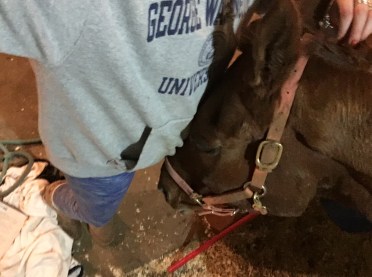
(Below is a picture of Chance drugged up and waiting for the vet).

IMG_1545


Resources on Choke


How To Tell If Your Horse Is Choking and How You Can Help

When Horses Choke


“You Are What You Eat…”

Chance has gained almost 1000 lbs in over a year and he could still use a few pounds.  He lost wait quickly when he became sick.

Chance also has some factors that put him at a higher rate of weight loss and an increased difficulty maintaining and gaining weight.

  • he is a senior horse
  • a thoroughbred
  • a cribber
  • had an injury which caused him to not run around as much thus losing muscle mass

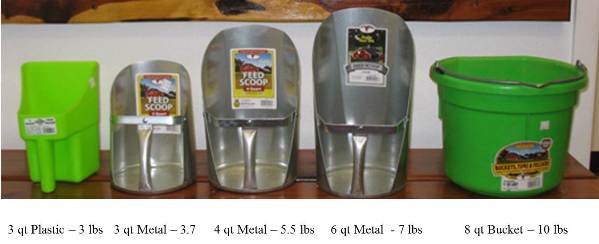
I slowly upped over the last year, with advisement from a nutritional specialist (her information is at the end of the post along with the name of her book which I found extremely helpful) and my vet, his feed from 3qt twice a day to 11qt twice a day.

Feed-Scoop-Differences.jpg

Chance’s current regiment includes:

AM:

  • Two 4qt scoops of Nutrina Safe Choice Senior feed
  • One 3qt scoop of Timothy and Alfalfa pelleted mix
  • I add his supplements
    • 2 scoops of Body Sore (All natural supplement)
    • 2 scoops of Cervical Formula (All natural supplement)
  • I mix it all together with warm water so that it is sloppy (this makes it easier for him to eat at his age and lessens the chance of choking.  Plus, it helps keep him hydrated especially in the winter when he is less inclined to drink as much water).

PM:

  • Two 4qt scoops of Nutrina Safe Choice Senior feed
  • One 3qt scoop of Timothy and Alfalfa pelleted mix
  • I add his supplements
    • 1 Smartpak (Senior Formula, Immune Booster, and Vitamin C)
    • 2 scoops of DuraLactin (All natural anti-inflammatory and pain reducer derived from cow’s milk also called MicroLactin)
    • 2 scoops of Body Sore (All natural supplement)
    • 2 scoops of Cervical Formula (All natural supplement)
  • I add about 5 flakes of hay (Alfalfa mix)
  • Two 3qt scoops of hay stretcher in a separate feed bucket for snacking through the night

IMG_3581.JPG

(Chance’s feed before adding water)

I also make sure that he eats his feed from a bucket on the ground.  According to my vet it is the best way for a horse to eat.


Here are Some Nutrition Resources


Horse Feeding Blog

Fox Den Equine

51YKaJXZ2nL._SX331_BO1,204,203,200_.jpg

nutrena-safechoice-senior-horse-feed-cherokee-feed-and-seed-ballground-georgia.jpg


How To Read Equine (Horse and donkey) Blood Work?

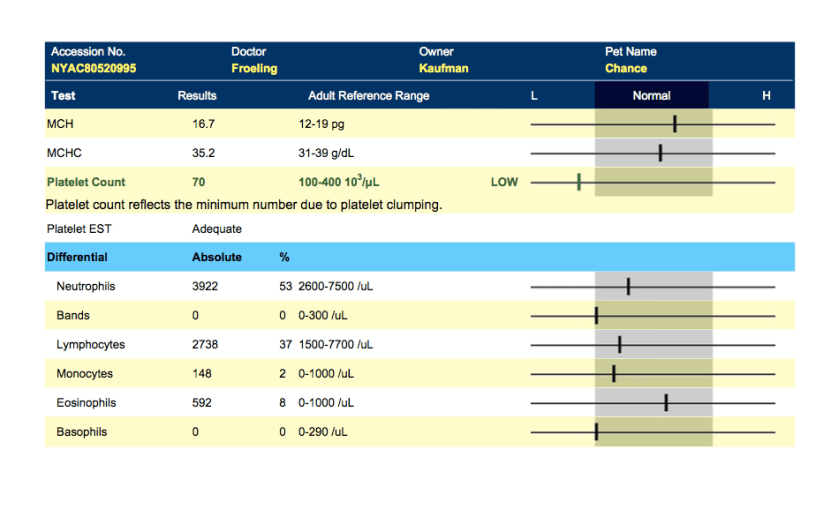
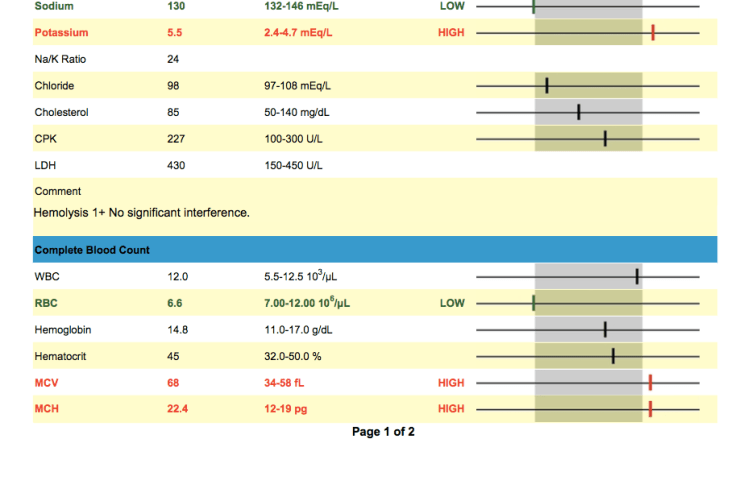
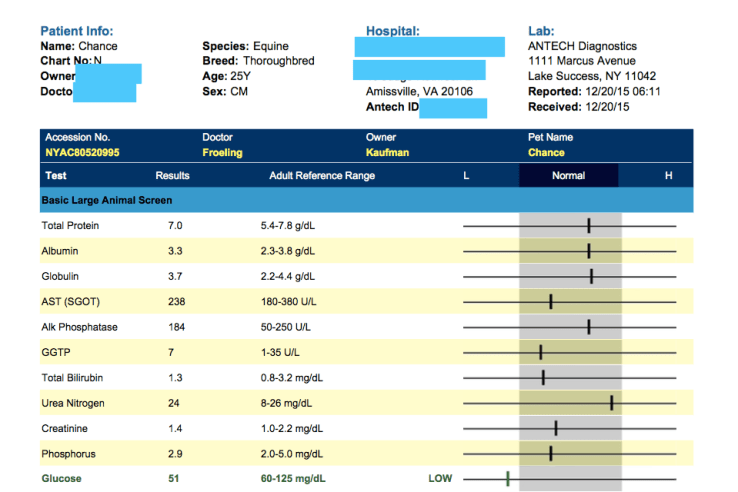
I had the vet run some blood work on Luck and Chance as a precaution, because of the “Panic Grass” in Virginia has been causing liver failure in horses, and because I like to do a full work up every 6-12 months.


Chance’s Blood Work


C 1

C 3


L 2


INTERPRETATION OF RESULTS


Elevated Potassium (6.6 mEq/L):

“Low levels indicate depletion and are often a predisposing factor, along with
dehydration, in fatigue, muscle cramps, colic, synchronous diaphragmatic flutter (“th
umps”), diarrhea and other symptoms of exhausted horse syndrome. Even seemingly normal or high-normal levels may in reality be lower, but appear higher due to concentration secondary to dehydration as measured by total protein and albumin levels.
Therefore, levels at the lower end of the normal range should be evaluated relative to concurrent dehydration” (https://www.quia.com/files/quia/users/medicinehawk/2407-Vet/labs.pdf).

Low Sodium:

“Low levels commonly indicate loss through excessive sweating, or through kidney or intestinal disease. Low levels may also be found in young foals with bladder damage. Increased sodium levels are usually a sign of dehydration” (http://www.minstervets.co.uk).

Low Platelets: 

This was the most worrisome in regards to the potential immediate issues that could ensue because of the low platelet count. 

“The platelets are the third cellular component of blood (along with red and
white blood cells). These cells contain a number of biologically active molecules that are
critical to the blood clotting process. Low levels may indicate a number of disease
processes not necessarily directly related to a bleeding disorder. Chronic or acute blood
loss, immune disease, toxemia, liver, spleen or bone marrow disease, or even critically
reduced or increased body temperatures can also cause low platelets counts. Any
significantly low platelet counts should be further investigated by a veterinarian. High
levels are generally clinically insignificant unless the condition persists, in which case it may be indicative of bone marrow neoplastic disease” (Susan Garlinghouse).

Low Glucose:

“Glucose is the source of the body’s energy. It is measured in suspected cases of equine metabolic syndrome and sometimes in cases of equine Cushing’s disease. Blood glucose may also be measured as part of a glucose tolerance test, assessing small intestinal function” (http://www.minstervets.co.uk).

Chance was tested for Cushing’s Disease within the last year and the test showed that he did NOT have Cushings. 
Elevated CPK (337 U/L):

Levels 2-3x the highest number in range are considered significant according to vetstream.com.  Levels are easily increased due to poor handling techniques as well as lab error.

According to Dr. Christine Woodford and Carla Baumgartner on vipsvet.com, “Elevations of CPK and SGOT are indictors of muscle inflammation–tying-up or rhabdomyolysis. The term “rhabdo” means muscle and “myolysis” means rupture of muscle cells. The CPK and SGOT are very sensitive indicators of skeletal muscle damage, and they rise in concentration proportionally with the amount of damage. A bit of timing is required in order to obtain the most sensitive results; CPK rises (due to its leakage from muscle cells into the blood system) approximately six to eight hours after the onset of muscle inflammation, and SGOT rises after approximately 12-14 hours. The absolute peak of CPK concentration and the time it takes to return to normal are important indicators of the severity of muscle damage and the response to therapy.”

Elevated MCV: Is the average volume of red blood cells.

  • Macrocytosis.
  • Indicates immature RBC in circulation (suggests regenerative anemia).
  • Very rare in the horse, but may observe increasing MCV within normal range as horses increase erythropoiesis.

According to Vetstream.com, “Macrocytosis (increased MCV) resulting from release of immature RBC from the bone marrow during regeneration is very rare in the horse therefore the MCV is less useful in the horse than in other species.”

Elevated MCH: Is the average amount of hemoglobin in an individual red blood cell.

  • Hemolysis, if intravascular in nature .
  • Errors can occur during processing

Low RBC:

“You may be inclined to think that red blood cell levels need to drop significantly before they cause a problem for your horse. But the truth is that even low-grade anemia – levels hovering around that 30% range on a PCV – can impact your horse physically and may indicate a health problem. This is especially true for high performance athletes. The greater your horse’s physical condition and demand, the higher on the range of normal her red blood cell counts will typically be. Therefore, a red blood cell level low on the normal range or just below may indicate a concern for a racehorse, for example, where it wouldn’t for that pasture pet.”  See more at: http://www.succeed-equine.com/succeed-blog/2014/02/05/anemia-horses-part-1-just-equine-anemia/#sthash.JJuWN5ob.dpuf


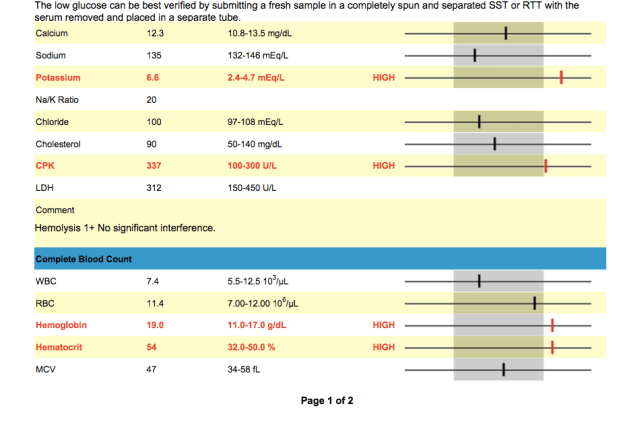
Luck’s blood work


L 1

C 2

Elevated Potassium: Potassium can become elevated for a number of reasons.

According to Vetstream.com,

  • 98% of potassium is intracellular.
  • Changes in serum or plasma potassium levels reflect fluid balance, rate of renal excretion and changes in balance between intra- and extracellular fluid.
  • Hypokalemia increases membrane potential, resulting in hyperpolarization with weakness or paralysis.
  • Hyperkalemia decreases membrane potential with resulting hyperexcitability.
Susan Garlinghouse states that, “High serum levels of potassium during an endurance ride are generally not a concern. These increases often reflect nothing more serious than a delay between blood collection (when potassium is actively sequestered inside cells) and sample measurement (after potassium has had time to “leak” from inside the cells out into the plasma or serum).”  This could also be a result of Luck and Chance running around in the heat when the vet arrived.
Increased [potassium] (hyperkalemia) can occur from;
  • Results can be false due to processing time (ie: if the lab waited too long to process blood sample)
  • Immediately after high intensity exercise.
  • In association with clinical signs in horses with hyperkalemic periodic paraysis (HYPP)    .
  • Bladder rupture (neonate)    .
  • Hypoadrenocorticism  [Pituitary: adenoma]  (rare).
  • Metabolic acidosis.
  • Acute renal failure    .
  • Extensive tissue damage (especially muscle).
  • IV potassium salts, eg potassium benzyl penicillin, potassium chloride    .
  • Phacochromocytoma (rare in the horse).
    Hypokalemia
  • Chronic diarrhea.
  • Diuretic therapy, especially potassium-losing diuretics.
  • Excess bicarbonate/lactate therapy.
  • Chronic liver disease    .
  • Acute renal failure (polyuric phase)    .
  • Recovery from severe trauma.
  • Metabolic/respiratory alkalosis.
  • Prolonged anorexia.
  • Recovery period after high intensity exercise (30-60 min after).
  • Parenteral feeding.

In combination with clinical signs and results of other tests results could signify the following;

Elevated GGTP:

* Donkeys tend to have 3x higher levels then horses.  This means that in stead of the typical equine range being 1-35 U/L a typically donkey’s range would be up to ~105 U/L.  Lucky’s test showed he had 120 U/L which is still elevated but not much.  It took sometime to get Luck from the field when the vet arrived- he ran around non stop.  The excitement and anxiety could be the cause of the elevated levels.

RBC:

Katherine Wilson, DVM, DACVIM, of the Virginia–Maryland Regional College of Veterinary Medicine (See more at: http://equusmagazine.com/article/decode-horses-bloodwork-27122#sthash.sc4J1ISJ.dpuf) explains “RBC count is probably the least helpful information because horses usually don’t have big changes in red blood cell numbers. It is not uncommon for horses to have an RBC count a little lower than normal range, however. The term we use for low RBC is anemia, but unless the count gets very low, a horse doesn’t necessarily need to be treated for that condition. A lot of diseases or any chronic long-term disease can cause mild anemia. Usually if we see mild anemia on the bloodwork and the horse has other issues, the anemia is just an indication that we need to fix/treat another problem.”

Low or Elevated Values

  • Splenic contraction.
  • Polycythemia (rare) .
  • Dehydration.
  • Consider causes of anemia
  • Blood loss    .
  • Hemolysis (i in vivo or artifact).
  • Decreased bone marrow production.
  • Poor technique at sampling.
  • Poor handling and storage of samples.
  • Poor technique in laboratory.

Low Bilirubin:

Heather Smith Thomas of Equus states,  “Another indication of liver health is a pigment called bilirubin, which is formed from the breakdown of red blood cells. Elevated levels can mean unusual loss of red cells or liver dysfunction. However, in horses, unlike other animals, elevated levels of bilirubin often isn’t serious. “This value can increase fairly rapidly when horses go off feed, and this is something that is unique to the horse,” says Wilson. “Often we get phone calls from veterinarians who don’t work on horses much or owners who see the blood work and note that the bilirubin is above normal range and are concerned about liver disease. If the horse is off feed for 24 to 48 hours, that value will increase, but this is just a temporary elevation.”

Elevated Hemoglobin (19 g/dL):

According to vetstream.com, Thoroughbred and other “hot-blooded” horses Hemoglobin range differs from other equine- the thoroughbred range = 11.0-19.0g/l.

Elevated Hematocrit (54 %):

 Elevated levels could be due to;

  • Dehydration.
  • Splenic contraction.
  • Polycythemia .

“A measurement of the relative amount of red blood cells present in a blood
sample. After blood is drawn, a small tube is filled and centrifuged to separate the heavier
blood cells from the lighter white blood cells and the even lighter fluid (plasma or serum)
portion. A higher than normal reading generally indicates dehydration (same number of
cells in less plasma volume) or may be due to splenic contraction secondary to
excitement or the demands of exercise. A low reading may indicate anemia, though not
invariably. Highly fit athletic horses may normally have a slightly lower hematocrit at
rest due to an overall more efficient cardiovascular system. Evaluation of true anemia in
horses requires several blood samples over a 24-hour period” (Susan Garlinghouse, 2000/ http://www.equinedoc.com/PrideProjectInfo.html).

It took sometime to get Luck from the field when the vet arrived- he ran around non stop.  The excitement and anxiety could be the cause of the elevated levels.

Low Sodium:

According to horseprerace.com, “Low levels indicate depletion and are often a predisposing factor, along with dehydration, in fatigue, muscle cramps, colic, synchronous diaphragmatic flutter (“thumps”), diarrhea and other symptoms of exhausted horse syndrome. Even seemingly normal or high-normal levels may in reality be lower, but appear higher due to concentration secondary to dehydration as measured by total protein and albumin levels. Therefore, levels at the lower end of the normal range should be evaluated relative to concurrent dehydration.”


More information on your horse’s blood work

Decoding your horse’s blood work

CBC and Chemistry Profile

A Better Understanding of the Results


The vet suggested that I add water to Luck’s and C’s feed in case their values are due to dehydration. She also explained that some of the values may be a result of running around in the field right before drawing them along with anxiety.  

The anxiety and running around seemed fair but I am hesitant on the dehydration portion.  Yes, I know it is winter and that horses are less likely to drink as much water.  But if it were due to dehydration then the Albumin would be low as well.  But, the blood work revealed that the Albumin was 2.8 (Luck) and 3.2 (Chance).  These values are within the normal range…. that being said, the results could also be due to lab handling especially the Potassium levels.

While speaking with my uncle Jerry (the horse whisperer), he suggested adding a salt block to the horse’s feed.  This will increase the horse’s thirst which will get them  drinking more.  I also added heated water buckets so that the water won’t freeze and in case they are less inclined to drink when the water is cold.

In order to feel comfortable about my horse and donkey being healthy, I will have more blood work done this week to make sure everything is in fact okay.


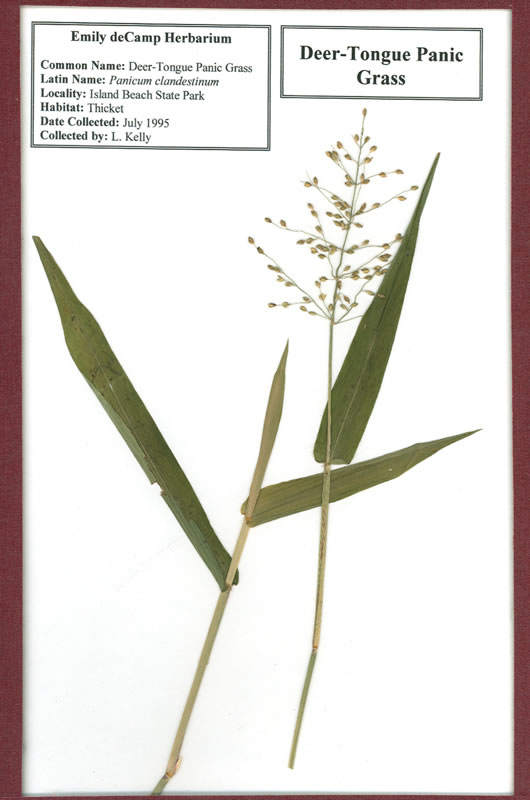
Horses in Virginia are at risk of Liver failure due to Panicgrass or Panicum.

Horses in Virginia are at risk of Liver failure due to Panicgrass or Panicum.

IMG_1763-1030x773

According to Haymarket Vet (http://haymarketvet.com/fall-panicum-grass-and-liver-disease/) Panicgrass is causing Fall Panicum Toxicosis in horses.

“In 2004, our practice was involved in documenting an important toxin for horses—fall Panicum (Panicum dichotomiflorum) grass.  This common native grass has been fed to horses in hay and in pasture probably since the Europeans first brought horses to our area.  But, while we know that it doesn’t cause illness all the time, certain growing conditions can cause it to become toxic, as it did in Nokesville, VA in 2004.  We don’t know what triggers the grass to become toxic, but we do know that it sometimes does become toxic, and the conditions are right this year. This study proved the hepatotoxicity: http://www.ncbi.nlm.nih.gov/m/pubmed/17186859/

Currently, there are several cases of liver disease in Fauquier, Clark and Loudon counties that appear to be from grazing Panicum grass in the pasture. Some signs of toxicity from eating the grasses includes: decreased appetite, lethargy, somnolence (unusual periods of sleepiness), mild colic, or neurological signs. Some horses have no symptoms at all.

If you have this plant in your pasture or if you find it in your hay cut this year, you may want to have your horses tested for liver disease; this involves a simple blood draw.”

Below is a link on more information about Liver Disease, symptoms, and treatment options.

http://www.tsln.com/agliving/equine/7614069-111/liver-horse-says-disease

How To Prepare For An Equine Emergency

Be Prepared for an Equine Emergency

You don’t want to waste time in an equine emergency! The American Association of Equine Practitioners (AAEP) offers these tips to keep you organized and calm in your horse’s time of need.


If you own horses long enough, sooner or later you are likely to confront a medical emergency. From lacerations to colic to foaling difficulties, there are many emergencies that a horse owner may encounter. You must know how to recognize serious problems and respond promptly, taking appropriate action while awaiting the arrival of your veterinarian.

Preparation is vital when confronted with a medical emergency. No matter the situation you may face, mentally rehearse the steps you will take to avoid letting panic take control. Follow these guidelines from the American Association of Equine Practitioners (AAEP) to help you prepare for an equine emergency:

    1. Keep your veterinarian’s number by each phone, including how the practitioner can be reached after hours.
    1. Consult with your regular veterinarian regarding a back-up or referring veterinarian’s number in case you cannot reach your regular veterinarian quickly enough.
    1. Know in advance the most direct route to an equine surgery center in case you need to transport the horse.
    1. Post the names and phone numbers of nearby friends and neighbors who can assist you in an emergency while you wait for the veterinarian.
    1. Prepare a first aid kit and store it in a clean, dry, readily accessible place. Make sure that family members and other barn users know where the kit is. Also keep a first aid kit in your horse trailer or towing vehicle, and a pared-down version to carry on the trail.First aid kits can be simple or elaborate. Here is a short list of essential items:
        • Cotton roll
        • Cling wrap
        • Gauze pads, in assorted sizes
        • Sharp scissors
        • Cup or container
        • Rectal thermometer with string and clip attached
        • Surgical scrub and antiseptic solution
        • Latex gloves
        • Saline solution
        • Stethoscope
        • Clippers

Many accidents can be prevented by taking the time to evaluate your horse’s environment and removing potential hazards. Mentally rehearse your emergency action plan. In an emergency, time is critical. Don’t be concerned with overreacting or annoying your veterinarian. By acting quickly and promptly, you can minimize the consequences of an injury or illness.

For more information about emergency care, ask your equine veterinarian for the “Emergency Care” brochure, provided by the AAEP in partnership with Bayer Corporation, Animal Health. More information can also be obtained by visiting the AAEP’s horse health web site, www.myHorseMatters.com.

The American Association of Equine Practitioners, headquartered in Lexington, Kentucky, was founded in 1954 as a non-profit organization dedicated to the health and welfare of the horse.

– See more at: http://practicalhorsemanmag.com/article/eqemergenc2576#sthash.YFzhhSOX.dpuf

Our Regiment


IMG_1792


Chance receives the following:


AM:

1. Protazil 50mls

2. Vitamin E 4 scoops (Watch for loose stools.  This would indicate that his VitE should be cut down)

PM:

1. SmartPak: Immune Boost

2. SmartPak: Senior Flex

3. Equinyl 2 scoops first two weeks, 1 scoop after

OTHER:

If Chance’s symptoms are worse, he can receive Equinox and UlcerGuard.